How Can Intermodal Transportation Services Reduce Shipping Costs and Delays?
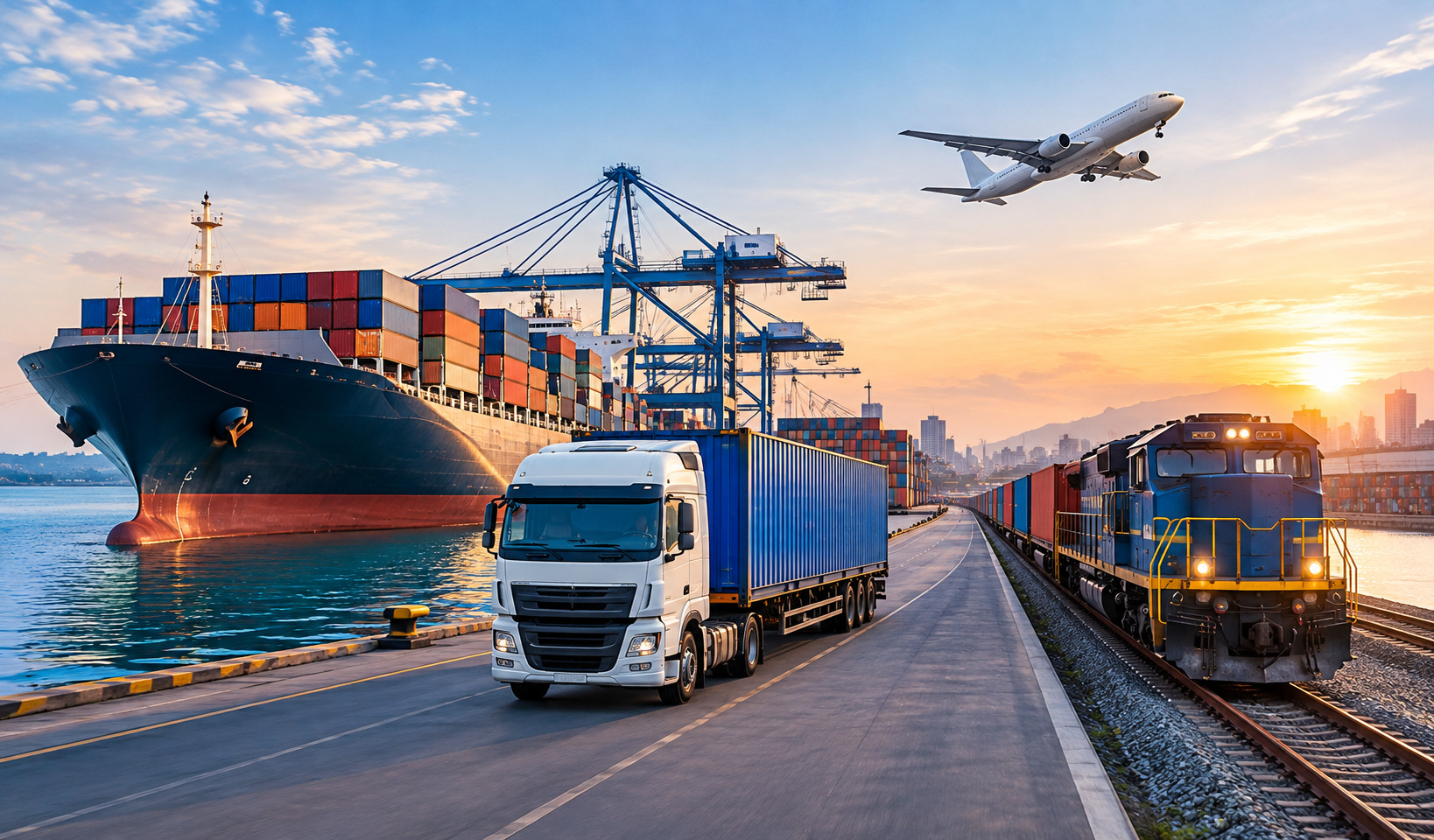
Shipping costs and delivery delays can quickly impact a company’s profitability, customer satisfaction and overall supply chain performance. Intermodal transportation services provide a convenient method for moving freight by employing multiple modes of transportation, such as rail, truck, and ocean freight, within a single coordinated shipment.
Instead of relying on one mode of transport, businesses can use the strengths of different modes to build an efficient route. This method can lower transportation expenses, cut down on unnecessary cargo handling, and offer more flexibility when supply chain conditions shift.
Quick Summary
Another drawback is the delays. Delivery schedules are subject to delays due to traffic congestion, severe weather, equipment shortages, port congestion, and capacity constraints.
Intermodal Freight Transportation can be an alternative if your business ships locally or over long distances, sharing transportation responsibilities between different modes.
The impact of inefficient freight movement
Excessive waiting time between stages of transportation may incur additional storage, labour, and inventory costs. Poorly coordinated transportation will make it impossible for businesses to provide accurate delivery estimates.
An integrated transport plan is a way to address these issues before they become costly problems.
For example, rail can be an economical way to move large volumes over long distances, while trucks can be used for first-mile and last-mile transportation. Ocean freight can be a cost-effective option for the international leg of the shipment.
Combining transportation strengths
Instead of trying to do the whole journey by one mode, companies can build a route based on cost, distance, capacity, and delivery needs using a combination of modes.
This can help reduce:
This is important because the more times goods are physically offloaded and reloaded, the more likely there are delays, damage, and handling errors.
Fewer manual transfers
Moreover, the use of containers allows the cargo to remain safely packed during the transfer of the container from one mode of transport to another. This allows for smoother transitions between different stages of the journey.
Intermodal shipping can also reduce reliance on a single transportation network. For instance, rail might gain a larger share of the long-distance journey if highway conditions become difficult.
These benefits make intermodal freight solutions particularly helpful for businesses that need organised and predictable freight movement.
Common examples
Intermodal logistics can be advantageous for containerized cargo such as manufactured goods, consumer products, raw materials, packaged goods, machinery, and other freight.
Which is best will depend on where it is coming from, where it is going to, how much there is to ship, when it needs to arrive, and how it needs to be shipped.
Also Read: Intermodal Transportation Services: A Smarter Way to Move Goods Across Global Networks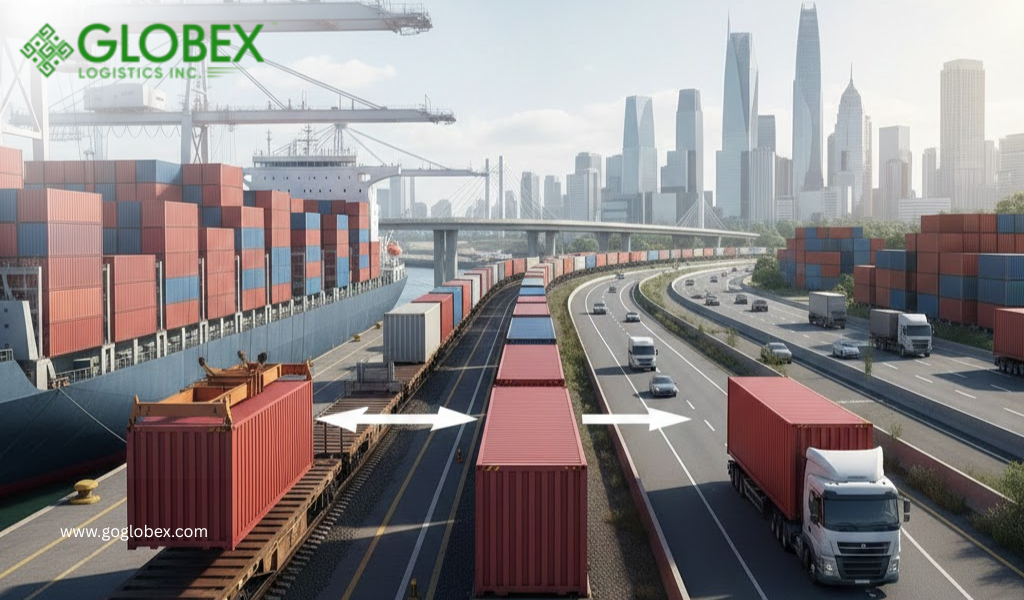
1. Shipment distance
The longer the transportation distance, the more attractive intermodal transportation becomes, especially when rail or ocean freight can replace a significant portion of long-haul trucking.
2. Delivery requirements
If the goods need to arrive in a very short window, then a direct transportation option may be more suitable. Intermodal may offer more cost savings for shipments with more flexible or predictable schedules.
3. Cargo characteristics
Businesses should take into consideration the size, weight, value, packaging, and handling requirements of their goods. Compatibility of the containers is particularly important.
4. Route and infrastructure
The feasibility of an intermodal route may depend on the availability of suitable rail terminals, ports, highways, and transfer facilities.
5. Provider coordination
Effective coordination is important since intermodal transportation involves multiple steps of transportation. An experienced logistics provider can assist in handling schedules, documentation, transfers, and shipment visibility.
Globex Logistics can assist companies in evaluating transportation needs and developing freight strategies that meet their cost, timing, and cargo requirements.
It also helps to compare the total cost of the different modes of transport rather than just the first goods rate. Include transit time, handling, fuel costs, storage, and possible delays in your assessment.
Working with an experienced provider can make this process easier. Globex Logistics offers businesses an opportunity to explore practical intermodal freight solutions based on their individual shipping requirements.
The right answer is different, depending on the issues such as the distance of shipment, nature of cargo, delivery deadlines, and infrastructure available. Companies that transport recurring or long-distance freight may find it beneficial to consider intermodal options as a path to a more efficient and cost-effective freight transportation model.
If you're looking for a more efficient way to handle freight movement, talk to the experts at Globex Logistics about your shipment requirements to determine an intermodal solution that fits your supply chain.
Instead of relying on one mode of transport, businesses can use the strengths of different modes to build an efficient route. This method can lower transportation expenses, cut down on unnecessary cargo handling, and offer more flexibility when supply chain conditions shift.
Quick Summary
- Intermodal transportation involves two or more modes of transport for one shipment.
- Rail and ocean transport can cut the costs of long-distance freight.
- Containers that are standardized are easier to move from one mode of transport to another.
- Intermodal shipping improves reliability and reduces exposure to road congestion.
- Companies should consider distance, type of cargo, delivery deadlines, and route availability before choosing an intermodal solution.
Why Are Shipping Costs and Delays Major Supply Chain Challenges?
Freight costs are influenced by fuel prices, labour, tolls, equipment availability, congestion, and transportation distance. If businesses rely on only one mode, then any unforeseen disruptions can make these costs even harder to control.Another drawback is the delays. Delivery schedules are subject to delays due to traffic congestion, severe weather, equipment shortages, port congestion, and capacity constraints.
Intermodal Freight Transportation can be an alternative if your business ships locally or over long distances, sharing transportation responsibilities between different modes.
The impact of inefficient freight movement
Excessive waiting time between stages of transportation may incur additional storage, labour, and inventory costs. Poorly coordinated transportation will make it impossible for businesses to provide accurate delivery estimates.
An integrated transport plan is a way to address these issues before they become costly problems.
How Do Intermodal Transportation Services Lower Freight Expenses?
One of the greatest benefits of intermodal transport services is that you can select the cheapest transport mode for each leg of a trip.For example, rail can be an economical way to move large volumes over long distances, while trucks can be used for first-mile and last-mile transportation. Ocean freight can be a cost-effective option for the international leg of the shipment.
Combining transportation strengths
Instead of trying to do the whole journey by one mode, companies can build a route based on cost, distance, capacity, and delivery needs using a combination of modes.
This can help reduce:
- Fuel-related transportation expenses
- Long-haul trucking costs
- Labor requirements
- Highway toll expenses
- Equipment utilization costs
- Unnecessary repositioning of freight
How Does Intermodal Shipping Minimize Cargo Handling and Disruptions?
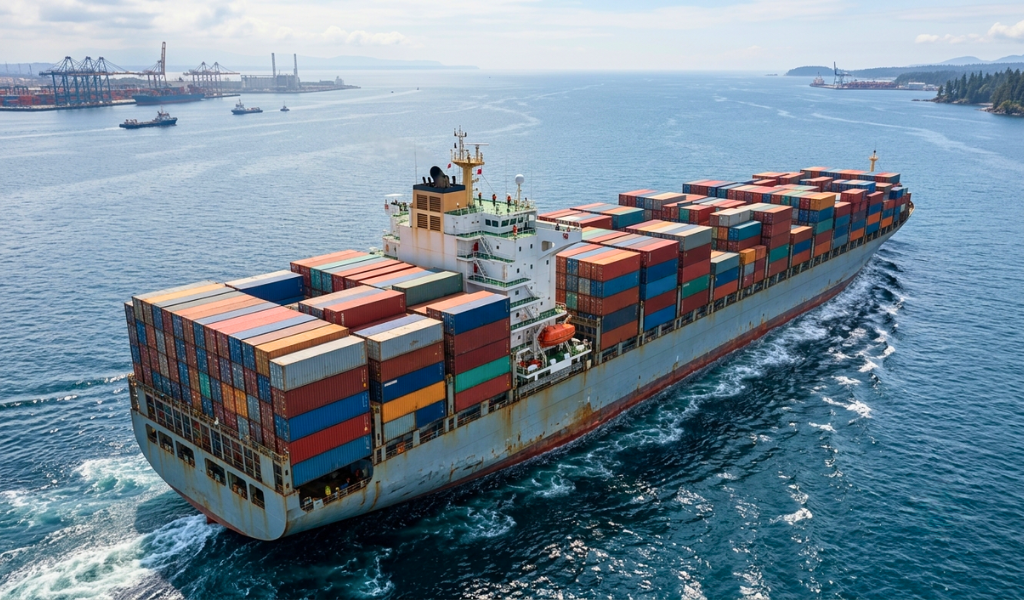
Intermodal transportation is the movement of standard shipping containers between ships, trains, and trucks without unloading the contents of the container.This is important because the more times goods are physically offloaded and reloaded, the more likely there are delays, damage, and handling errors.
Fewer manual transfers
Moreover, the use of containers allows the cargo to remain safely packed during the transfer of the container from one mode of transport to another. This allows for smoother transitions between different stages of the journey.
Intermodal shipping can also reduce reliance on a single transportation network. For instance, rail might gain a larger share of the long-distance journey if highway conditions become difficult.
These benefits make intermodal freight solutions particularly helpful for businesses that need organised and predictable freight movement.
Which Shipments Benefit Most From Intermodal Logistics?
Intermodal transportation is not necessarily suitable for every shipment. It is generally most useful when businesses have freight that can tolerate planned transit times and travel relatively long distances.| Shipment Requirement | Intermodal Suitability | Why |
| Long-distance freight | High | Rail or ocean can handle major portions of the journey |
| Large shipment volumes | High | Multiple modes can provide better capacity |
| Containerized cargo | High | Containers simplify transfers |
| Highly time-sensitive freight | Moderate | Direct transportation may sometimes be faster |
| Short-distance deliveries | Low to Moderate | Additional transfers may not provide enough savings |
| International cargo | High | Ocean, rail, and truck can work together |
| Regular recurring shipments | High | Consistent routes can be planned efficiently |
Common examples
Intermodal logistics can be advantageous for containerized cargo such as manufactured goods, consumer products, raw materials, packaged goods, machinery, and other freight.
Which is best will depend on where it is coming from, where it is going to, how much there is to ship, when it needs to arrive, and how it needs to be shipped.
Also Read: Intermodal Transportation Services: A Smarter Way to Move Goods Across Global Networks
What Should Businesses Consider Before Choosing Intermodal Shipping?
Transportation cost isn’t the only factor businesses should weigh before choosing an intermodal approach. Both total logistics cost and expected service level need to be taken into account.1. Shipment distance
The longer the transportation distance, the more attractive intermodal transportation becomes, especially when rail or ocean freight can replace a significant portion of long-haul trucking.
2. Delivery requirements
If the goods need to arrive in a very short window, then a direct transportation option may be more suitable. Intermodal may offer more cost savings for shipments with more flexible or predictable schedules.
3. Cargo characteristics
Businesses should take into consideration the size, weight, value, packaging, and handling requirements of their goods. Compatibility of the containers is particularly important.
4. Route and infrastructure
The feasibility of an intermodal route may depend on the availability of suitable rail terminals, ports, highways, and transfer facilities.
5. Provider coordination
Effective coordination is important since intermodal transportation involves multiple steps of transportation. An experienced logistics provider can assist in handling schedules, documentation, transfers, and shipment visibility.
Globex Logistics can assist companies in evaluating transportation needs and developing freight strategies that meet their cost, timing, and cargo requirements.
How Can Businesses Make Intermodal Shipping More Efficient?
Businesses can improve results by forecasting shipment volumes, consolidating compatible freight, planning routes in advance, and monitoring transportation performance.It also helps to compare the total cost of the different modes of transport rather than just the first goods rate. Include transit time, handling, fuel costs, storage, and possible delays in your assessment.
Working with an experienced provider can make this process easier. Globex Logistics offers businesses an opportunity to explore practical intermodal freight solutions based on their individual shipping requirements.
Conclusion
Intermodal transport services enable companies to control their shipping costs, reduce unnecessary cargo handling, and provide flexibility in the supply chain. By combining transportation modes such as rail, truck, and ocean freight, companies can develop routes that meet the needs of cost, capacity, and delivery.The right answer is different, depending on the issues such as the distance of shipment, nature of cargo, delivery deadlines, and infrastructure available. Companies that transport recurring or long-distance freight may find it beneficial to consider intermodal options as a path to a more efficient and cost-effective freight transportation model.
If you're looking for a more efficient way to handle freight movement, talk to the experts at Globex Logistics about your shipment requirements to determine an intermodal solution that fits your supply chain.
FAQs on Intermodal Transportation Services
1. What are intermodal transportation services?
Intermodal transportation services move freight using two or more transportation modes, such as trucks, trains, ships, or other methods, while typically keeping the cargo inside the same container during transfers.2. How does intermodal transportation reduce shipping costs?
Intermodal transportation can reduce costs by using economical transportation modes, such as rail or ocean freight, for longer portions of a journey while using trucks for local pickup and delivery.3. Is intermodal freight transportation faster than trucking?
Not always. Intermodal freight transportation can take longer than direct trucking in some situations, but it may provide cost and capacity advantages for suitable long-distance shipments.4. What types of freight are best for intermodal shipping?
Containerized, high-volume, and long-distance shipments are often well suited to intermodal shipping. The ideal option depends on the cargo, route, delivery schedule, and transportation infrastructure.Recent posts

categories


