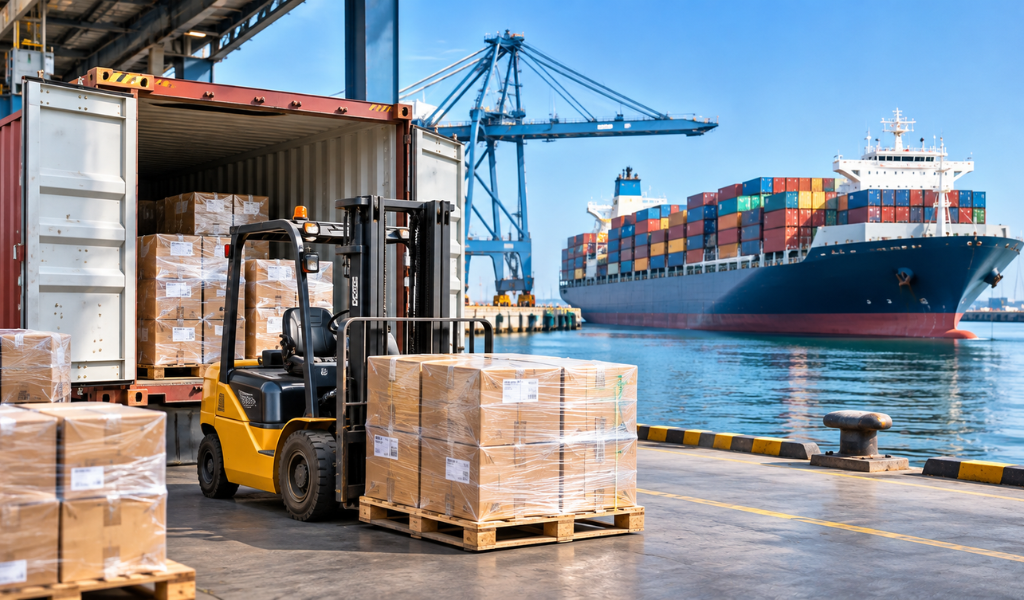
Simplify Global Shipping with Ocean Freight Consolidation Services
Managing international shipments can be a bit tricky, especially for businesses that need to ship smaller quantities of goods but don’t want to pay for a whole shipping container. This is where ocean freight consolidation is a good option and economical, too. Companies can reduce shipping costs and still maintain an efficient supply chain by consolidating shipments from multiple businesses into a single container.
Consolidated shipping gives importers, exporters, and growing businesses more flexibility and better control over logistics costs. Logistics support you can count on lets companies ship goods internationally without spending too much on shipping.
Quick Summary
This approach is commonly known as Less than Container Load (LCL) shipping.
A freight forwarder collects shipments from different businesses, organizes them at a consolidation warehouse, and arranges transportation in a shared container. Once the container reaches its destination, the individual shipments are separated and delivered to their respective recipients.
1. Lower Shipping Costs
Booking a full container can be expensive when your shipment occupies only a small portion of the available space. Consolidation allows businesses to share container costs with other shippers.
This makes international transportation more affordable without requiring large shipment volumes.
2. Greater Shipping Flexibility
Businesses do not always need to wait until they have enough products to fill an entire container. LCL shipping services allow smaller shipments to move through international supply chains more efficiently.
This flexibility can be especially useful for small businesses, retailers, and companies managing frequent inventory replenishment.
3. Better Supply Chain Management
International Cargo Consolidation helps businesses coordinate smaller shipments through organized logistics operations. It can simplify cargo planning, improve shipment visibility, and support more predictable inventory management.
4. Access to International Markets
Small and medium-sized businesses can explore international markets without committing to full container loads. Consolidated ocean shipping provides a practical option for companies looking to expand their import and export activities.
Recommendation: Choose LCL when your cargo does not require a full container. Consider FCL when shipment volume is large enough to make a dedicated container more economical.
Consider these factors before making a decision:
Also Read: How Freight Consolidation Services Reduce Shipping Costs for Businesses?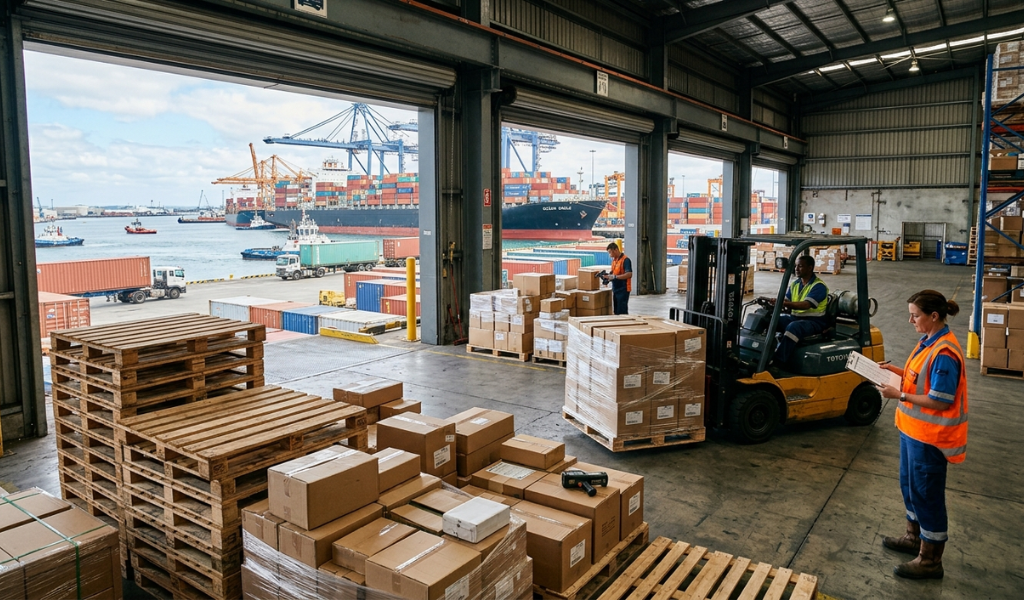
Experienced ocean freight forwarding services make the process easy through coordination of cargo handling, documentation, and international transportation. Looking to streamline your shipping operations? Contact Globex Logistics to discuss your cargo volume, destination, and delivery requirements so they can recommend a suitable freight solution.
Consolidated shipping gives importers, exporters, and growing businesses more flexibility and better control over logistics costs. Logistics support you can count on lets companies ship goods internationally without spending too much on shipping.
Quick Summary
- Ocean freight consolidation combines smaller shipments into one shared container.
- LCL shipping services help businesses avoid paying for unused container space.
- International cargo consolidation can improve shipping efficiency and cost management.
- Proper documentation and cargo handling help prevent delays.
- Working with an experienced freight partner simplifies international transportation.
What Is Ocean Freight Consolidation?
Ocean freight consolidation is a shipping method in which cargo from multiple shippers is combined into a single container. Instead of booking a full container, businesses share available space and pay according to the volume or weight of their individual shipments.This approach is commonly known as Less than Container Load (LCL) shipping.
A freight forwarder collects shipments from different businesses, organizes them at a consolidation warehouse, and arranges transportation in a shared container. Once the container reaches its destination, the individual shipments are separated and delivered to their respective recipients.
How Does the Consolidation Process Work?
The process generally involves five steps:- Cargo collection: Goods are collected from different suppliers or shipping locations.
- Cargo consolidation: Shipments are grouped according to their destinations and shipping requirements.
- Container loading: Individual shipments are securely packed into a shared container.
- International transportation: The consolidated container travels by sea to the destination port.
- Deconsolidation and delivery: Cargo is separated and prepared for customs clearance and final delivery.
Key Benefits of Ocean Freight Consolidation for Businesses
Choosing ocean freight consolidation can offer several advantages, particularly for businesses that regularly ship smaller quantities of products.1. Lower Shipping Costs
Booking a full container can be expensive when your shipment occupies only a small portion of the available space. Consolidation allows businesses to share container costs with other shippers.
This makes international transportation more affordable without requiring large shipment volumes.
2. Greater Shipping Flexibility
Businesses do not always need to wait until they have enough products to fill an entire container. LCL shipping services allow smaller shipments to move through international supply chains more efficiently.
This flexibility can be especially useful for small businesses, retailers, and companies managing frequent inventory replenishment.
3. Better Supply Chain Management
International Cargo Consolidation helps businesses coordinate smaller shipments through organized logistics operations. It can simplify cargo planning, improve shipment visibility, and support more predictable inventory management.
4. Access to International Markets
Small and medium-sized businesses can explore international markets without committing to full container loads. Consolidated ocean shipping provides a practical option for companies looking to expand their import and export activities.
LCL Shipping vs. FCL Shipping: Which Is Better?
Both Less than Container Load (LCL) and Full Container Load (FCL) shipping have different advantages. The right option depends on shipment size, budget, delivery requirements, and cargo characteristics.| Comparison Factor | LCL Shipping | FCL Shipping |
| Container usage | Shared with other shippers | Entire container reserved for one shipper |
| Cost structure | Based on shipment volume or weight, subject to minimum charges | Based on container booking |
| Best for | Smaller shipments | Larger shipments |
| Cargo handling | Requires consolidation and deconsolidation | Generally fewer handling stages |
| Flexibility | Suitable for varying shipment quantities | Suitable for consistent, high-volume shipments |
| Space availability | Depends on shared container capacity | Depends on container availability |
How to Choose Reliable Ocean Freight Forwarding Services?
Selecting the right logistics partner is essential for smooth international shipping. A dependable freight forwarder helps coordinate transportation, documentation, cargo handling, and communication throughout the shipping process.Consider these factors before making a decision:
- Global shipping network: Look for established connections across major international ports.
- Transparent pricing: Request a detailed breakdown of freight charges, handling fees, and additional costs.
- Cargo handling expertise: Ensure the provider can manage your specific cargo requirements.
- Documentation support: Check whether customs documentation and shipping paperwork are handled efficiently.
- Shipment tracking: Choose a provider that offers clear shipment updates and responsive communication.
Also Read: How Freight Consolidation Services Reduce Shipping Costs for Businesses?
Tips for Making Ocean Freight Consolidation More Efficient
Businesses can improve their shipping experience with a few practical steps:- Plan shipments in advance: Allow sufficient time for cargo collection, consolidation, and vessel scheduling.
- Prepare accurate documentation: Ensure commercial invoices, packing lists, and other required documents are complete.
- Use suitable packaging: Protect products against movement, moisture, and handling during transportation.
- Confirm cargo dimensions: Accurate measurements help freight forwarders calculate shipping charges correctly.
- Understand delivery timelines: Account for port handling, customs clearance, and final-mile transportation.
Conclusion
Ocean freight consolidation is a cost-effective and flexible solution for companies to manage international shipments without the need to book full containers. This shipping method can benefit businesses of all sizes and industries, from reducing transportation costs to optimizing cargo planning.Experienced ocean freight forwarding services make the process easy through coordination of cargo handling, documentation, and international transportation. Looking to streamline your shipping operations? Contact Globex Logistics to discuss your cargo volume, destination, and delivery requirements so they can recommend a suitable freight solution.
FAQs on Ocean Freight Consolidation
1. What is ocean freight consolidation in international shipping?
Ocean freight consolidation combines shipments from multiple businesses into one shipping container. Each shipper pays for the space their cargo occupies rather than booking an entire container.2. How do LCL shipping services help reduce transportation costs?
LCL shipping services allow businesses to share container space and transportation expenses. This makes shipping smaller quantities of goods more economical than booking a full container.3. What is the difference between LCL and consolidated ocean shipping?
Consolidated ocean shipping generally refers to combining multiple shipments into one container. LCL is the specific shipping arrangement in which an individual shipper uses less than the full container capacity.4. How long does ocean freight consolidation take?
Transit time depends on the origin, destination, vessel schedule, consolidation arrangements, port handling, and customs clearance. Consolidation may add processing time before departure compared with direct FCL shipping.Recent posts

categories


