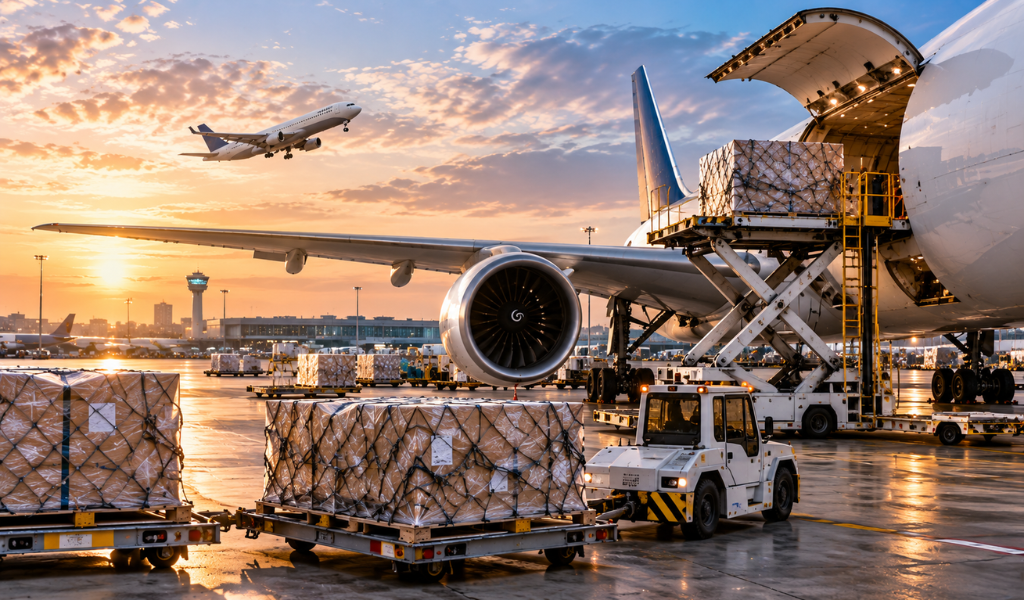
When Should Businesses Choose Air Freight Services for Faster International Shipping?
When international deliveries need to be completed quickly, air freight services can help businesses meet tight deadlines, satisfy customers and keep supply chains running efficiently. If you ship urgent spare parts, high-value electronics, seasonal products, or time-sensitive documents, air transportation offers a convenient alternative to slower shipping methods.
But not every shipment is suitable for air freight. Businesses should consider the delivery time, cargo size, shipping budget, and destination needs before selecting a transportation method. Knowing when to use air freight can help you balance speed, cost, and reliability while keeping international operations on track.
Quick Summary
Shipping Urgent Orders and Time-Sensitive Goods
Air freight is useful when products need to be delivered to their destination within a short time frame. For instance, a manufacturer may be awaiting replacement components and if a shipment arrives late, production is delayed.
Retailers can also use air transportation to replenish fast-moving inventory, respond to unexpected demand, or move products ahead of key sales events.
Transporting High-Value or Lightweight Products
Electronics, precision instruments, medical equipment and specialized industrial components may be good candidates for air cargo transport. Faster transit can reduce the time goods spend in the shipping process and aid businesses in managing their inventory more efficiently.
But air freight doesn’t automatically mean better security or no chance of damage. Good packaging, cargo insurance, and handling arrangements are still important.
Delivering Perishable or Time-Sensitive Products
Some food products, flowers and temperature-sensitive goods require transportation with strict controls and shorter transport times. Air freight, when backed by suitable packaging and temperature-control procedures, can aid in maintaining product quality.
Before booking, companies should verify the carrier’s ability to handle the shipment’s needs for handling, temperature, and documentation.
Delivery Deadlines and Transit Times
Check the estimated transit time, departure schedule, arrival airport, and final-mile delivery arrangements. Air transportation may be fast, but customs inspections, airport handling, and local transportation can add time.
Ask your logistics provider for an estimated end-to-end delivery timeline rather than relying only on flight duration.
Cargo Dimensions and Weight
Airlines calculate charges using actual weight or dimensional weight, depending on which is greater under the applicable pricing rules. Large, bulky shipments can therefore become expensive even when they are relatively lightweight.
Measure and weigh cargo accurately before requesting a quotation.
Budget and Total Shipping Costs
Air Freight Shipping Costs vary according to shipment weight and dimensions, route, service level, fuel-related charges, handling, and other applicable fees.
Businesses should compare the total landed cost of each option. Faster shipping may justify the additional expense if it prevents stockouts, production interruptions, missed deadlines, or lost sales.
Customs and Documentation
International shipments may require commercial invoices, packing lists, air waybills, permits, certificates, or other destination-specific documents. Requirements depend on the goods and the countries involved.
Preparing accurate documentation and checking import restrictions early can help reduce avoidable delays.
Actual transit times and costs depend on the route, carrier, service level, and shipment requirements. Multimodal transportation may also be suitable when a shipment needs a combination of air, sea, and ground services.
Consolidate Shipments Where Possible
Combining compatible shipments may simplify coordination and possibly offer better pricing. But consolidation must fit the delivery deadline, because waiting for more cargo may erode the speed advantage.
Choose the Right Service Level
Not all shipments require the fastest service available. Evaluate express, priority, and standard air freight options to strike the right balance between urgency and cost.
Optimize Packaging
Use protective packaging that reduces unnecessary volume without sacrificing cargo safety. Dimensional weight is something that can affect pricing. Good packaging practices can reduce chargeable weight.
Plan Inventory and Shipping Schedules
Forecast demand and schedule shipments before inventory levels drop to critical lows. Advance planning enables businesses to be more flexible when comparing routes, departure schedules and service options.
Globex Logistics is a great place to start when shipping needs and freight options are being discussed with companies running international supply chains.
Also Read: Are International Air Cargo Services Still the Fastest Way to Ship Globally in 2026?
Please compare shipping costs, cargo dimensions, customs requirements, and end-to-end delivery estimates before booking. The most efficient shipping method involves balancing urgency with the total cost of logistics, instead of picking the fastest option for all shipments.
If you need to move goods internationally within a certain time frame for your business, contact Globex Logistics and discuss your cargo details and delivery priorities to find a suitable air freight solution.
But not every shipment is suitable for air freight. Businesses should consider the delivery time, cargo size, shipping budget, and destination needs before selecting a transportation method. Knowing when to use air freight can help you balance speed, cost, and reliability while keeping international operations on track.
Quick Summary
- Air freight is ideal for urgent shipments and time-sensitive international deliveries.
- High-value, lightweight, and perishable goods can benefit from faster transportation.
- Air freight shipping costs are generally higher than ocean freight costs.
- Shipment size, weight, customs requirements, and destination affect delivery timelines.
- Comparing transportation options helps businesses choose the most suitable shipping solution.
When Should Businesses Choose Air Freight Services?
Businesses should consider air freight where speed of delivery is important, and delays may affect sales, production, or customer satisfaction. Air transport is usually more expensive than ocean freight, but its faster transit times can help companies avoid costly interruptions.Shipping Urgent Orders and Time-Sensitive Goods
Air freight is useful when products need to be delivered to their destination within a short time frame. For instance, a manufacturer may be awaiting replacement components and if a shipment arrives late, production is delayed.
Retailers can also use air transportation to replenish fast-moving inventory, respond to unexpected demand, or move products ahead of key sales events.
Transporting High-Value or Lightweight Products
Electronics, precision instruments, medical equipment and specialized industrial components may be good candidates for air cargo transport. Faster transit can reduce the time goods spend in the shipping process and aid businesses in managing their inventory more efficiently.
But air freight doesn’t automatically mean better security or no chance of damage. Good packaging, cargo insurance, and handling arrangements are still important.
Delivering Perishable or Time-Sensitive Products
Some food products, flowers and temperature-sensitive goods require transportation with strict controls and shorter transport times. Air freight, when backed by suitable packaging and temperature-control procedures, can aid in maintaining product quality.
Before booking, companies should verify the carrier’s ability to handle the shipment’s needs for handling, temperature, and documentation.
What Factors Should Businesses Consider Before Booking Air Freight?
Choosing the right shipping method involves more than comparing delivery speeds. Businesses should assess the shipment's complete requirements before making a decision.Delivery Deadlines and Transit Times
Check the estimated transit time, departure schedule, arrival airport, and final-mile delivery arrangements. Air transportation may be fast, but customs inspections, airport handling, and local transportation can add time.
Ask your logistics provider for an estimated end-to-end delivery timeline rather than relying only on flight duration.
Cargo Dimensions and Weight
Airlines calculate charges using actual weight or dimensional weight, depending on which is greater under the applicable pricing rules. Large, bulky shipments can therefore become expensive even when they are relatively lightweight.
Measure and weigh cargo accurately before requesting a quotation.
Budget and Total Shipping Costs
Air Freight Shipping Costs vary according to shipment weight and dimensions, route, service level, fuel-related charges, handling, and other applicable fees.
Businesses should compare the total landed cost of each option. Faster shipping may justify the additional expense if it prevents stockouts, production interruptions, missed deadlines, or lost sales.
Customs and Documentation
International shipments may require commercial invoices, packing lists, air waybills, permits, certificates, or other destination-specific documents. Requirements depend on the goods and the countries involved.
Preparing accurate documentation and checking import restrictions early can help reduce avoidable delays.
Air Freight Shipping Services vs. Other Shipping Options
The right transportation method depends on urgency, cargo volume, budget, and delivery requirements. This comparison can help businesses make an informed choice.| Shipping factor | Air freight | Ocean freight | Ground freight |
| Delivery speed | Generally fastest over long international distances | Generally slower | Best suited to road-connected routes |
| Typical cargo | Urgent, valuable, or time-sensitive goods | Large, heavy, or high-volume shipments | Regional and cross-border road shipments |
| Shipping costs | Usually higher | Often economical for large shipments | Depends on distance, route, and cargo |
| Best use case | Urgent international orders | Cost-effective bulk transportation | Domestic or regional distribution |
| Main consideration | Weight, dimensions, and air cargo restrictions | Longer transit and port schedules | Road conditions and border delays |
How Can Businesses Make Air Freight More Cost-Effective?
Air freight shipping services can be more manageable for businesses by planning shipments carefully and working with an experienced logistics provider.Consolidate Shipments Where Possible
Combining compatible shipments may simplify coordination and possibly offer better pricing. But consolidation must fit the delivery deadline, because waiting for more cargo may erode the speed advantage.
Choose the Right Service Level
Not all shipments require the fastest service available. Evaluate express, priority, and standard air freight options to strike the right balance between urgency and cost.
Optimize Packaging
Use protective packaging that reduces unnecessary volume without sacrificing cargo safety. Dimensional weight is something that can affect pricing. Good packaging practices can reduce chargeable weight.
Plan Inventory and Shipping Schedules
Forecast demand and schedule shipments before inventory levels drop to critical lows. Advance planning enables businesses to be more flexible when comparing routes, departure schedules and service options.
Globex Logistics is a great place to start when shipping needs and freight options are being discussed with companies running international supply chains.
Also Read: Are International Air Cargo Services Still the Fastest Way to Ship Globally in 2026?
How to Choose the Right International Air Cargo Services?
Before selecting an air freight provider, consider these practical steps:- Define your deadline: Establish when the shipment must arrive, including customs clearance and final delivery.
- Prepare cargo details: Provide accurate dimensions, weight, commodity descriptions, and packaging information.
- Check destination requirements: Confirm customs documentation, permits, and restrictions.
- Compare quotations: Review the complete charges, service levels, routing, and estimated delivery timelines.
- Confirm shipment visibility: Ask about tracking, communication, cargo insurance options, and procedures for delays or disruptions.
Conclusion
Air freight services are appropriate when speed, reliable scheduling and timely international delivery are important to business operations. They are able to handle urgent orders, high value products, perishable goods and supply chains that cannot tolerate long transportation delays.Please compare shipping costs, cargo dimensions, customs requirements, and end-to-end delivery estimates before booking. The most efficient shipping method involves balancing urgency with the total cost of logistics, instead of picking the fastest option for all shipments.
If you need to move goods internationally within a certain time frame for your business, contact Globex Logistics and discuss your cargo details and delivery priorities to find a suitable air freight solution.
FAQs on Air Freight Services
1. When should a business use air freight services?
A business should use air freight when shipments are urgent, delivery deadlines are tight, or products are valuable, lightweight, perishable, or needed quickly to prevent supply chain disruptions.2. Are air freight shipping services faster than ocean freight?
Yes, air freight is generally faster for long-distance international shipments. However, total delivery time also depends on airport handling, customs clearance, routing, and final-mile transportation.3. What affects international air freight shipping costs?
Costs depend on actual and dimensional weight, shipment dimensions, route, service level, fuel-related charges, handling requirements, and any applicable customs or destination fees.4. What goods are suitable for air cargo transportation?
Common examples include electronics, urgent industrial components, precision equipment, flowers, certain perishable foods, and time-sensitive commercial products. Acceptance depends on carrier rules and applicable regulations.Recent posts


categories


