How Do Integrated Warehousing Solutions Improve Inventory Management and Order Fulfilment?
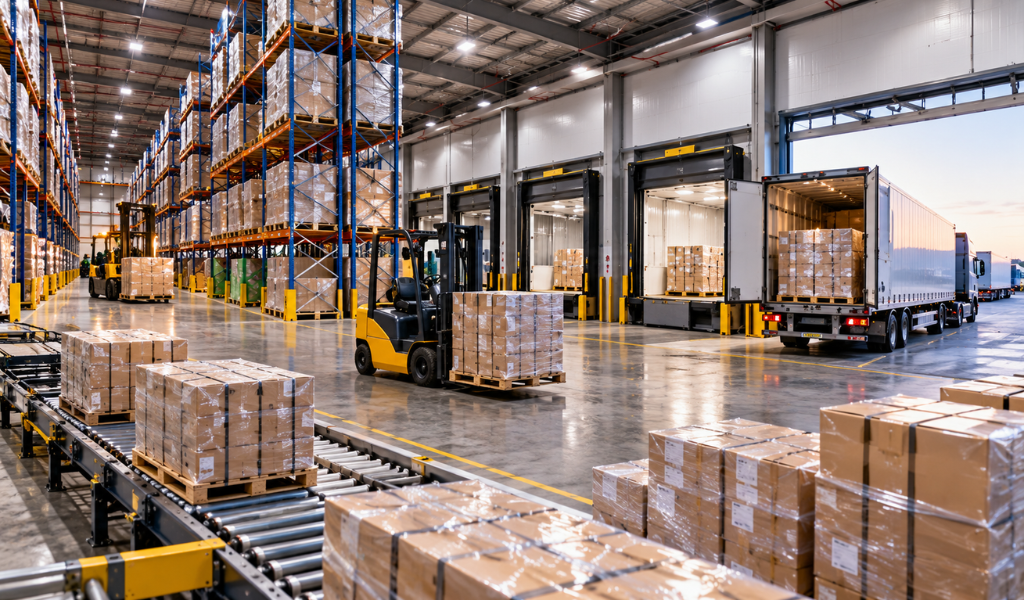
Integrated warehousing solutions combine storage, inventory tracking, order processing, and transportation activities into a unified system. Rather than managing each function of the warehouse individually, companies can consolidate their operations to operate as one and have a complete perspective across the supply chain. As a result, you can quickly find stock levels to meet demand and fulfill orders accurately.
Quick Summary
As an example, some integrated systems can recognize when a customer has placed an order and check stock to see if it is available; assist with the picking process; update inventory records after items are picked, and transmit delivery schedules.
This connected approach means fewer disconnected spreadsheets, less manual updates, and more collaborative systems that talk to one another.
One key aspect of effective inventory control is knowing exactly what you have on hand. With integrated systems, you will definitely have a better view of stock amounts, product placement in the storage room or warehouse, and all incoming shipments along with outgoing orders.
This visibility allows warehouse teams to spot low-stock items while avoiding unnecessary overstocking.
2. Reduce Manual Inventory Errors
Errors in data entry lead to wrong quantities or misplaced products and outdated inventories. Warehouse activities, addressed in a digital format, eliminate repetitive manual processes for the business.
Accurate information allows for improved Warehouse Inventory Management that enables teams to make decisions with up-to-date data.
3. Support Faster Order Processing
Order fulfilment has a number of stages, from locating the products through to packing and shipping them out. By linking these processes, warehouse personnel have the same information working with them throughout the lifecycle of an order.
It allows orders to flow more efficiently through the warehouse while reducing unnecessary handoffs.
In a fully integrated warehouse, picking operations can be mapped based on order needs, locations of inventory, and business priorities.
Packing information can continue to flow from the picking process into the next step without having to be manually updated again. Improves processing consistency in the fulfilment process as a result.
Smoother Shipping and Transportation
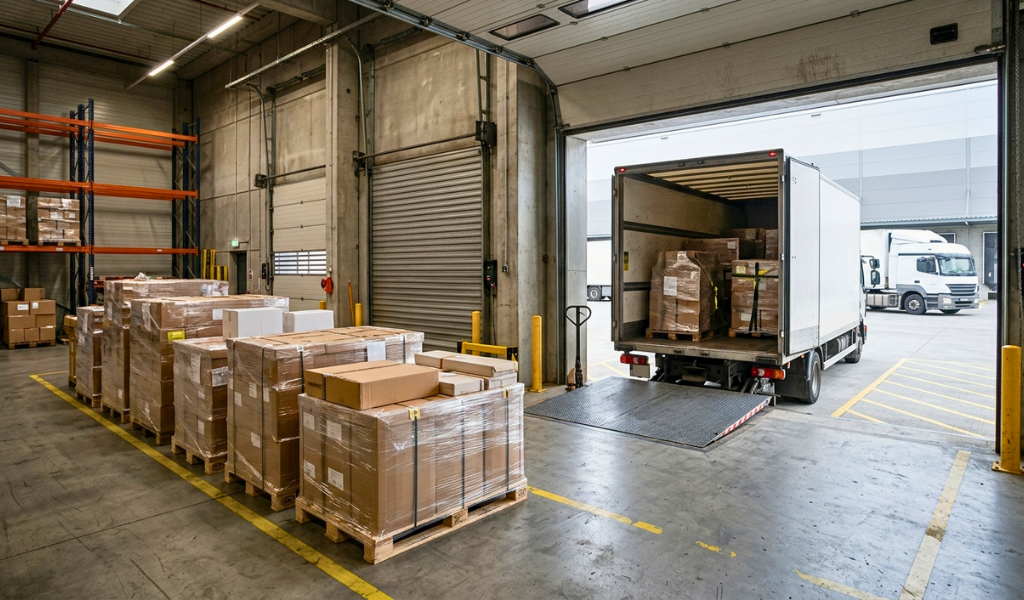
Packing an order is not the end of warehouse operations. Even transportation should be arranged to deliver products to the customers or distribution points.
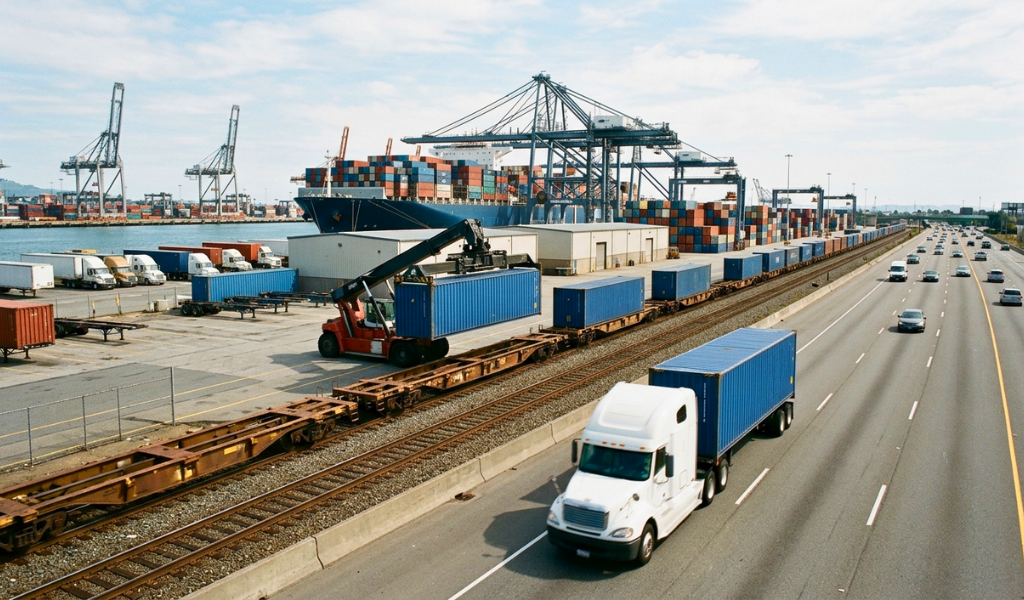
Connected warehouse logistics services coordinate various warehousing and transportation operations, thereby eliminating communication gaps between the different stages in a supply chain.
Greater Order Accuracy
You can end suffering from high costs and unhappy customers with wrong products, quantities, or shipping information. Integrated processes allow warehouse teams to operate in line with standardized order and inventory data.
This enables dependable order fulfilment solutions to also minimize avoidable processing errors.
Practical Benefits of Integrated Warehousing
Supply chain warehousing solutions help tie these activities together so businesses can stay better aligned from inventory receipt to final delivery.
This also facilitates adapting warehouse operations for growing businesses as they scale with order volumes, product ranges, and customer expectations.
Also Read: Integrated Warehousing Solutions: The Key to Faster Order Fulfilment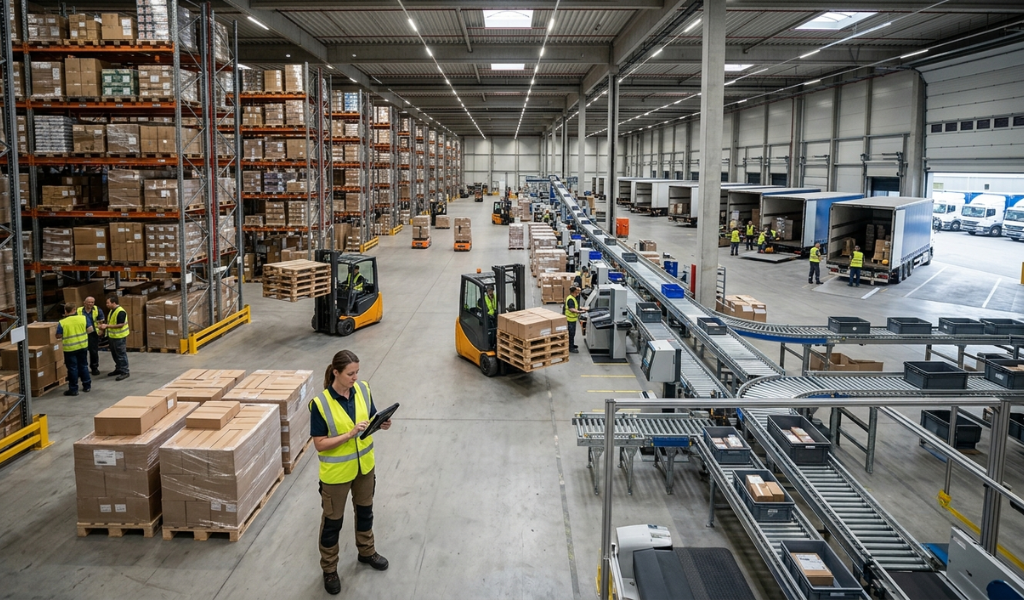
Technology and Visibility
Search for systems with valuable data regarding inventory, orders, and warehouse activity. In fact, clear visibility can help monitor performance and potential issues to ease pain.
Scalability
The requirements of the warehouse may vary as the company grows. Pick a solution that can grow alongside expanding inventory volumes, volume of orders, and replenishment needs.
Accuracy and Reliability
Inquire here about how the provider maintains inventory accuracy, order processing, quality control, and shipment coordination.
End-to-End Support
An ideal warehouse partner should provide more than just storage. This kind of integrated service can create better alignment between warehousing, fulfilment & transportation.
If they take the right approach, businesses can transform warehousing from a simple storage function to a smart logistics player in their overall strategy. Globex Logistics offers warehousing services that can be instrumental in making storage, stock, and distribution processes as efficient as possible.
Be it managing increased inventory levels or seeking to enhance fulfilment efficiency, reviewing your existing warehouse operations is a sensible first step. An integrated warehousing strategy can deliver the visibility and coordination of operations required to develop a more responsive supply chain.
Quick Summary
- Integrated systems link inventory, storage, picking, packing, and shipping activities.
- Real-time visibility can boost warehouse inventory management for companies
- Automation can bring down manual errors and unnecessary delays.
- These logistics services support reduced friction in the order fulfilment process in a connected warehouse.
- More accurate data can enable companies to make more strategic supply chain decisions.
What Are Integrated Warehousing Solutions?
Integrated warehousing solutions combine multiple warehouse operations within a coordinated process. These may include receiving, storage, inventory monitoring, picking, packing, dispatch, and transportation coordination.As an example, some integrated systems can recognize when a customer has placed an order and check stock to see if it is available; assist with the picking process; update inventory records after items are picked, and transmit delivery schedules.
This connected approach means fewer disconnected spreadsheets, less manual updates, and more collaborative systems that talk to one another.
Benefits Of Integrated Warehousing Solutions
1. Improve Inventory VisibilityOne key aspect of effective inventory control is knowing exactly what you have on hand. With integrated systems, you will definitely have a better view of stock amounts, product placement in the storage room or warehouse, and all incoming shipments along with outgoing orders.
This visibility allows warehouse teams to spot low-stock items while avoiding unnecessary overstocking.
2. Reduce Manual Inventory Errors
Errors in data entry lead to wrong quantities or misplaced products and outdated inventories. Warehouse activities, addressed in a digital format, eliminate repetitive manual processes for the business.
Accurate information allows for improved Warehouse Inventory Management that enables teams to make decisions with up-to-date data.
3. Support Faster Order Processing
Order fulfilment has a number of stages, from locating the products through to packing and shipping them out. By linking these processes, warehouse personnel have the same information working with them throughout the lifecycle of an order.
It allows orders to flow more efficiently through the warehouse while reducing unnecessary handoffs.
The Role of Integrated Warehousing in Streamlining Order Fulfilment
Better Picking and Packing CoordinationIn a fully integrated warehouse, picking operations can be mapped based on order needs, locations of inventory, and business priorities.
Packing information can continue to flow from the picking process into the next step without having to be manually updated again. Improves processing consistency in the fulfilment process as a result.
Smoother Shipping and Transportation
Packing an order is not the end of warehouse operations. Even transportation should be arranged to deliver products to the customers or distribution points.
Connected warehouse logistics services coordinate various warehousing and transportation operations, thereby eliminating communication gaps between the different stages in a supply chain.
Greater Order Accuracy
You can end suffering from high costs and unhappy customers with wrong products, quantities, or shipping information. Integrated processes allow warehouse teams to operate in line with standardized order and inventory data.
This enables dependable order fulfilment solutions to also minimize avoidable processing errors.
Practical Benefits of Integrated Warehousing
| Warehouse Challenge | Integrated Approach | Potential Business Benefit |
| Inaccurate stock records | Connected inventory tracking | Better inventory visibility |
| Slow order processing | Coordinated picking and packing | Faster fulfilment |
| Manual data entry | Automated information sharing | Fewer errors |
| Stockouts or excess inventory | Improved demand and stock visibility | Better inventory planning |
| Communication gaps | Connected warehouse and transport operations | Smoother logistics |
| Limited operational data | Centralized reporting | More informed decisions |
Why Supply Chain Integration Matters?
Warehousing is just one part of a wider supply chain. Delays can happen when warehouse details are kept in silos with purchases, transportation carriers, order processing, and distribution.Supply chain warehousing solutions help tie these activities together so businesses can stay better aligned from inventory receipt to final delivery.
This also facilitates adapting warehouse operations for growing businesses as they scale with order volumes, product ranges, and customer expectations.
Also Read: Integrated Warehousing Solutions: The Key to Faster Order Fulfilment
What Should Businesses Look for in a Warehousing Partner?
Before choosing a warehouse provider, consider the following:Technology and Visibility
Search for systems with valuable data regarding inventory, orders, and warehouse activity. In fact, clear visibility can help monitor performance and potential issues to ease pain.
Scalability
The requirements of the warehouse may vary as the company grows. Pick a solution that can grow alongside expanding inventory volumes, volume of orders, and replenishment needs.
Accuracy and Reliability
Inquire here about how the provider maintains inventory accuracy, order processing, quality control, and shipment coordination.
End-to-End Support
An ideal warehouse partner should provide more than just storage. This kind of integrated service can create better alignment between warehousing, fulfilment & transportation.
If they take the right approach, businesses can transform warehousing from a simple storage function to a smart logistics player in their overall strategy. Globex Logistics offers warehousing services that can be instrumental in making storage, stock, and distribution processes as efficient as possible.
Conclusion
Integrated warehousing solutions can improve inventory management and order fulfilment by connecting essential warehouse activities into a more coordinated workflow. Better visibility, fewer manual errors, faster processing, and smoother logistics can help businesses operate more efficiently while meeting customer expectations.Be it managing increased inventory levels or seeking to enhance fulfilment efficiency, reviewing your existing warehouse operations is a sensible first step. An integrated warehousing strategy can deliver the visibility and coordination of operations required to develop a more responsive supply chain.
FAQs on Warehousing Solutions
1. What are integrated warehousing solutions?
Integrated warehousing solutions connect inventory management, storage, order processing, picking, packing, and shipping activities through coordinated systems and processes.2. How do integrated warehouses improve inventory accuracy?
They provide connected inventory information and reduce reliance on manual data entry, helping businesses maintain more accurate and up-to-date stock records.3. Can integrated warehousing improve order fulfilment?
Yes. By connecting inventory, picking, packing, and shipping activities, integrated warehousing can help reduce delays and improve order processing accuracy.4. What are warehouse logistics services?
Warehouse logistics services may include receiving, storage, inventory management, picking, packing, dispatch, and coordination with transportation and distribution operations.Recent posts


categories


