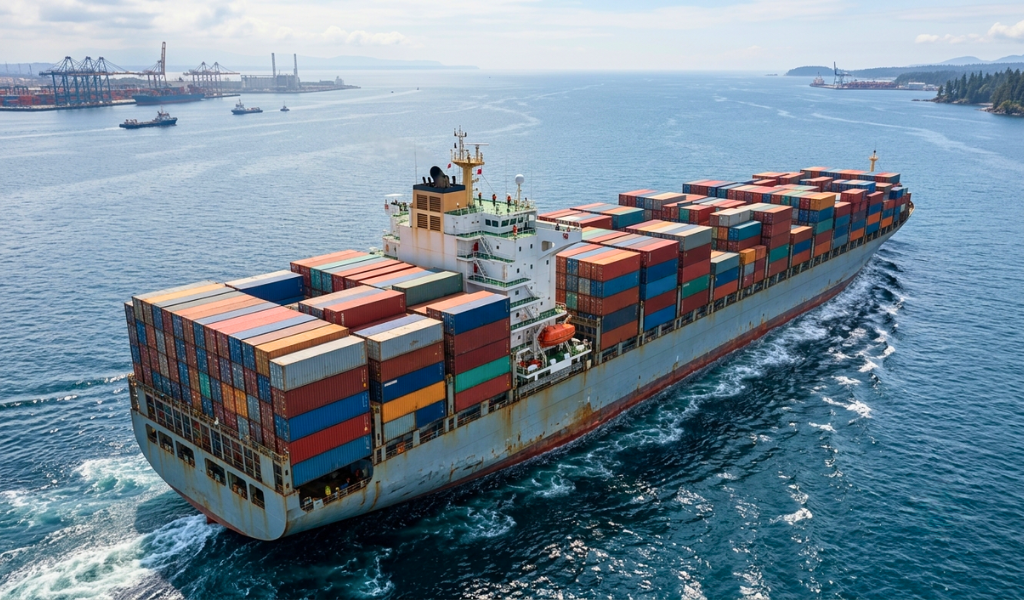
How to Choose the Right Cargo From Canada to India for Your Business Needs?
Selecting the right cargo to ship from Canada to India is more than just selecting a shipping service. Before selecting a freight method, businesses must evaluate if the freight they are shipping requires special handling, the kind of goods, the size of the shipment, the budget available, and the deadline for delivery. The right decision will assist in managing costs, mitigating delays, and keeping your supply chain flowing.
Shipping commercial inventory, machinery, raw materials, or any other company commodity from Canada to India becomes a whole lot easier with an established understanding of your cargo shipping options between these two countries. This guide explains the key factors to consider when planning your shipment.
Quick Summary
Documentation also matters. Ensure that commercial invoices, packing lists, shipping documents, and other paperwork are correct. You could notice extra guides or certificates required based on the nature of the goods.
With the help of efficient Canada-to-India freight services, businesses can address these stages and eliminate the common challenges associated with shipping and transportation.
Consider the Nature of Your Goods
Before you book your transportation, determine your cargo as either:
Ocean freight is usually optimal for larger, heavy, or low-priority shipments. It also generally offers a cheaper option if the amount of delivery is large.
With air freight, speed is what matters. This could be a feasible choice for urgent orders, small high-value items, samples, or time-sensitive products.
Ocean vs Air Freight
For you to know your choice, the mix of costs, speed, shipment volumes & urgency.
If your business can handle extended transit time, ocean freight can be a more cost-effective option. Air freight may justify its higher expense in transportation if the delay in shipment can affect production or an end customer.
When it comes to ocean shipments, however, pricing is very sensitive to container type, cargo volume, and the need for a full container. When it comes to air shipping, the actual weight or dimensional weight can affect the billable weight.
Prepare accurate information about: information before requesting a quote.
FCL is also typically a good option if you have enough cargo to fill a container or if you want to keep your shipment separate.
LCL can be helpful for smaller or less-than-full- container loads
FCL vs LCL: A Practical Comparison
FCL may offer more consistency for businesses that frequently ship large volumes. Although LCL can make the most of container space, unfilled larger ones can also be used for smaller or occasional shipments.
Ocean freight is generally slower than air freight, while air transportation is used for more urgent purposes and delivery windows.
Firms must also include the time required for paperwork, loading cargo, passing through customs, and delivering the last mile.
Plan Around Your Business Deadline
Instead of asking only, "How fast can my cargo arrive?", consider when the goods need to be available for your customers or operations.
Building some time into your schedule can help manage unexpected delays without disrupting your business.
Also Read: How to Ship Freight to India From Canada Safely, Quickly & Cost-Effectively?
Globex Logistics provides solutions to help businesses assess which shipping methods work best for them, depending on the characteristics of the cargo, shipment quantity, time, and budget. The objective is to choose a solution that enables your broader supply chain rather than merely selecting the lowest-priced freight option.
When shipping from Canada to India, provide your logistics partner with the right shipment details at the beginning. However, this allows us to compare alternatives more easily and to establish potential challenges from the very beginning.
It will allow businesses to make better logistics decisions by comparing the FCL, LCL, ocean, and air options and detailed shipment information. From here, Globex Logistics can assist you in evaluating your needs and selecting a method of transport that best suits the requirements of your business.
Shipping commercial inventory, machinery, raw materials, or any other company commodity from Canada to India becomes a whole lot easier with an established understanding of your cargo shipping options between these two countries. This guide explains the key factors to consider when planning your shipment.
Quick Summary
- Ocean freight: Usually a good option for larger, non-time-critical shipments.
- The fact is that air freight is effective when speed takes precedence over cost, and vice versa.
- Freight pricing is always influenced directly or indirectly by the Size and Weight of the cargo.
- For oversized shipments, FCL is rarely feasible, and the costs of chartering ocean-forward sweep vessels for smaller consignments make LCL impractical.
- Transit times differ as per freight method, route, port, customs, and destination point.
What Makes Cargo Shipping from Canada to India Different?
Moving cargo across borders from one country to another truly consists of shipping between Canada and India. The reason why you are hardwired for such data extends to the fact that your shipment travels through logistics, warehouse, port, airport, customs, and the inland transportation network that you might have established.Documentation also matters. Ensure that commercial invoices, packing lists, shipping documents, and other paperwork are correct. You could notice extra guides or certificates required based on the nature of the goods.
With the help of efficient Canada-to-India freight services, businesses can address these stages and eliminate the common challenges associated with shipping and transportation.
Consider the Nature of Your Goods
Before you book your transportation, determine your cargo as either:
- General commercial goods
- Fragile or high-value products
- Heavy machinery or equipment
- Temperature-sensitive products
- Oversized or unusually shaped cargo
Which Freight Method Is Best for Your Shipment?
The two main options are Canada To India Ocean Freight and Canada to India air freight.Ocean freight is usually optimal for larger, heavy, or low-priority shipments. It also generally offers a cheaper option if the amount of delivery is large.
With air freight, speed is what matters. This could be a feasible choice for urgent orders, small high-value items, samples, or time-sensitive products.
Ocean vs Air Freight
For you to know your choice, the mix of costs, speed, shipment volumes & urgency.
If your business can handle extended transit time, ocean freight can be a more cost-effective option. Air freight may justify its higher expense in transportation if the delay in shipment can affect production or an end customer.
How Do Cargo Size and Weight Affect Shipping Costs?
One of the biggest factors that influence the cost of freight is the shipment's dimensions and weight.When it comes to ocean shipments, however, pricing is very sensitive to container type, cargo volume, and the need for a full container. When it comes to air shipping, the actual weight or dimensional weight can affect the billable weight.
Prepare accurate information about: information before requesting a quote.
- Number of packages
- Package dimensions
- Total gross weight
- Cargo type
- Pickup location in Canada
- Delivery location in India
Why Accurate Measurements Matter?
The wrong dimensions or weights can generate unforeseen fees later. Accurate dimensions also aid in identifying the right transportation mode, be it FCL, LCL, or even air.When Should You Choose FCL Instead of LCL?
FCL stands for Full Container Load, meaning you use the whole shipping container, while LCL stands for Less than Container Load, which means your cargo travels in the same container as others.FCL is also typically a good option if you have enough cargo to fill a container or if you want to keep your shipment separate.
LCL can be helpful for smaller or less-than-full- container loads
FCL vs LCL: A Practical Comparison
| Factor | FCL | LCL | Air Freight |
| Shipment volume | Large | Small to medium | Small to medium |
| Typical priority | Cost efficiency for larger loads | Flexibility for smaller loads | Speed |
| Container required | Entire container | Shared container | No |
| Transit speed | Slower | Slower | Faster |
| Best for | Bulk commercial cargo | Smaller consignments | Urgent shipments |
| Cost consideration | Often efficient at higher volumes | Useful when volume is limited | Higher cost for speed |
How Long Can Canada-to-India Cargo Take to Arrive?
No single transit time for all shipments. Delivery depends on origin and destination, method of transport chosen, routing, scheduling of ships or planes, customs clearance, and inland delivery.Ocean freight is generally slower than air freight, while air transportation is used for more urgent purposes and delivery windows.
Firms must also include the time required for paperwork, loading cargo, passing through customs, and delivering the last mile.
Plan Around Your Business Deadline
Instead of asking only, "How fast can my cargo arrive?", consider when the goods need to be available for your customers or operations.
Building some time into your schedule can help manage unexpected delays without disrupting your business.
Also Read: How to Ship Freight to India From Canada Safely, Quickly & Cost-Effectively?
Choosing the Right Canada-to-India Freight Services
A reliable logistics provider should be more than just someone who knows how to arrange transportation. Look for a provider that can assist you with shipment planning, documentation, freight coordination, customs processes, and delivery requirements.Globex Logistics provides solutions to help businesses assess which shipping methods work best for them, depending on the characteristics of the cargo, shipment quantity, time, and budget. The objective is to choose a solution that enables your broader supply chain rather than merely selecting the lowest-priced freight option.
When shipping from Canada to India, provide your logistics partner with the right shipment details at the beginning. However, this allows us to compare alternatives more easily and to establish potential challenges from the very beginning.
Conclusion
Selecting the right cargo from Canada to India depends on several factors, including cargo type, shipment size, budget, urgency, and required delivery timeline. Ocean freight is good for larger shipments that can withstand some delay, while air freight works for time-critical shipments.It will allow businesses to make better logistics decisions by comparing the FCL, LCL, ocean, and air options and detailed shipment information. From here, Globex Logistics can assist you in evaluating your needs and selecting a method of transport that best suits the requirements of your business.
FAQs on Cargo From Canada To India
1. What is the best way to ship cargo from Canada to India?
The best method depends on your cargo volume, budget, and delivery deadline. Ocean freight is commonly suitable for larger shipments, while air freight is better for urgent cargo.2. Is ocean freight from Canada to India cheaper than air freight?
Generally, ocean freight is more economical for larger and heavier shipments, while air freight typically costs more because it prioritizes speed.3. Should I use FCL or LCL for cargo from Canada to India?
Choose FCL when you have enough cargo to efficiently use a full container or need dedicated container space. LCL is generally suitable for smaller shipments.4. How can I reduce cargo shipping costs from Canada to India?
Compare freight methods, consolidate smaller shipments where practical, optimize packaging, provide accurate cargo measurements, and plan shipments in advance.Recent posts

categories


