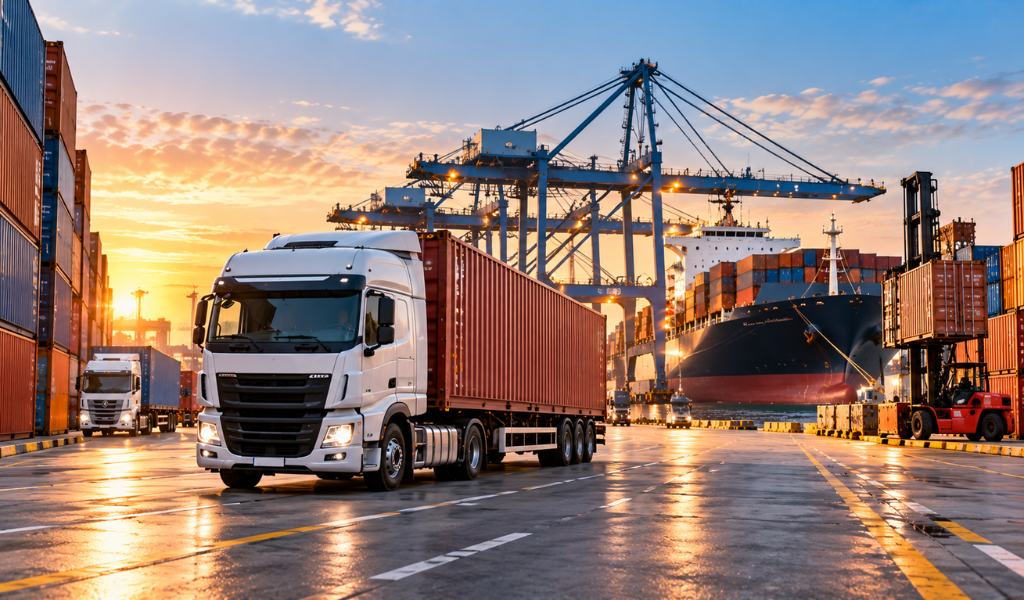
How Do Container Trucking Services Support Efficient Port-to-Warehouse Transportation?
Moving shipping containers from a port to a warehouse involves more than arranging a truck. Businesses must coordinate port pickups, manage delivery schedules, avoid unnecessary delays, and ensure cargo reaches its destination safely. Container trucking services help streamline this process by connecting ports, distribution centers, warehouses, and other supply chain facilities through reliable ground transportation.
Whether a company is importing raw materials, distributing retail products, or managing international shipments, efficient inland transportation is a must. With the correct trucking partner, companies can improve delivery coordination, control transportation costs, and maintain a steady flow of goods.
Quick Summary
Professional container trucking services support this process in several ways.
Faster Container Pickup and Delivery
Ports work on tight schedules and there are extra charges for containers that stay on the terminal longer than allowed. Coordinated truck dispatch allows businesses to retrieve released containers in a timely manner and deliver them according to warehouse receiving schedules.
Drivers can budget for things like port congestion, traffic and appointment requirements by planning ahead. This reduces unnecessary wait time and helps create more predictable delivery schedules.
Better Coordination Across the Supply Chain
Communication between shipping lines, freight forwarders, port operators, trucking companies and warehouse teams is key to successful container transportation.
When these parties share accurate shipment details, they can schedule pickup appointments, confirm container availability and prepare unloading resources in advance. This reduces confusion and helps to avoid missed delivery windows.
Improved Cargo Safety
Containers can carry valuable, fragile or time-sensitive goods. Proper selection of trucks, proper securing of containers and compliance with standard transportation procedures help to reduce risks of handling during the inland movement.
Experienced carriers can also help businesses coordinate the equipment and delivery arrangements required for various container types.
Drayage is particularly important for containers that need to move quickly after arriving at a marine terminal.
For instance, an importer may have a container that needs to be picked up at a port and delivered to a nearby distribution center. A coordinated drayage arrangement can shorten terminal dwell time and keep the shipment moving.
Ground transportation for these longer hauls is provided by Over-The-Road Trucking Services. They help companies move containerized goods from ports to inland locations while handling routes, timetables, and equipment needs.
The right transportation plan considers distance, delivery deadlines, road restrictions, cargo requirements, and warehouse operating hours.
Globex Logistics can help businesses find trucking solutions that meet their transportation needs and connect different parts of the supply chain.
Consider these factors before making a decision:
Check Equipment Availability
Confirm that the provider can accommodate the container size, chassis requirements, cargo weight, and other shipment specifications.
Review Scheduling and Communication
Ask how pickup appointments, delivery updates, unexpected delays, and proof of delivery are managed. Clear communication helps warehouse teams plan labor and unloading operations.
Understand the Full Transportation Cost
Request a breakdown of applicable charges, including trucking fees, fuel surcharges, waiting time, chassis fees, and potential port-related expenses. Confirm which charges may apply if a container is delayed.
Assess Multimodal Coordination
Businesses using ocean, rail, and road transportation should consider whether their provider can coordinate different transport stages efficiently.
Practical Comparison Table: Which Transportation Service Fits Your Needs?
The best option depends on the shipment's origin, destination, distance, delivery deadline, and overall logistics plan. Some businesses combine several of these services to move containers efficiently from the port to their final destination.
For example, a container may arrive by vessel, be transported by rail to an inland terminal, and then trucked to a warehouse. When companies can coordinate these stages, they can tie long-distance transportation with the flexibility of local and regional trucking.
Intermodal planning is only as good as the schedules, terminal coordination, equipment availability and timely information sharing. When these elements work together, businesses can better see their shipments and make transportation arrangements that balance cost, speed and operational requirements.
Also Read: Freight Consolidation Services: How Businesses Cut International Shipping Costs?
Whether you require short-distance drayage, longer over-the-road deliveries or multimodal transportation, the solution is based on the needs of each individual shipment. Businesses in the logistics field can explore the over-the-road trucking services offered by Globex Logistics and discuss the most suitable solution for their cargo, schedule and delivery needs.
Whether a company is importing raw materials, distributing retail products, or managing international shipments, efficient inland transportation is a must. With the correct trucking partner, companies can improve delivery coordination, control transportation costs, and maintain a steady flow of goods.
Quick Summary
- Container trucking connects ports with warehouses, distribution centers, and business facilities.
- Timely pickups and deliveries help reduce port storage charges and container detention costs.
- Container drayage services support short-distance transportation between ports and nearby logistics facilities.
- Effective route planning, suitable equipment, and shipment tracking improve delivery visibility.
- Coordinating trucking with other transportation modes helps businesses build a more efficient supply chain.
How Container Trucking Services Improve Port-to-Warehouse Transportation?
Transport from port to warehouse is a key part of the shipping process. Once a container arrives in port and has completed the requisite release process, it should be moved to its next destination without undue delay.Professional container trucking services support this process in several ways.
Faster Container Pickup and Delivery
Ports work on tight schedules and there are extra charges for containers that stay on the terminal longer than allowed. Coordinated truck dispatch allows businesses to retrieve released containers in a timely manner and deliver them according to warehouse receiving schedules.
Drivers can budget for things like port congestion, traffic and appointment requirements by planning ahead. This reduces unnecessary wait time and helps create more predictable delivery schedules.
Better Coordination Across the Supply Chain
Communication between shipping lines, freight forwarders, port operators, trucking companies and warehouse teams is key to successful container transportation.
When these parties share accurate shipment details, they can schedule pickup appointments, confirm container availability and prepare unloading resources in advance. This reduces confusion and helps to avoid missed delivery windows.
Improved Cargo Safety
Containers can carry valuable, fragile or time-sensitive goods. Proper selection of trucks, proper securing of containers and compliance with standard transportation procedures help to reduce risks of handling during the inland movement.
Experienced carriers can also help businesses coordinate the equipment and delivery arrangements required for various container types.
What Role Do Container Drayage Services Play?
Container drayage services are usually used for short distances, for instance, from ports, rail terminals, and container yards to nearby warehouses.Drayage is particularly important for containers that need to move quickly after arriving at a marine terminal.
For instance, an importer may have a container that needs to be picked up at a port and delivered to a nearby distribution center. A coordinated drayage arrangement can shorten terminal dwell time and keep the shipment moving.
When Should Businesses Use Drayage?
Drayage may be suitable when businesses need to:- Move containers from a port to a nearby warehouse.
- Transfer containers between marine and rail terminals.
- Relocate containers to designated yards or distribution facilities.
- Coordinate the first or final ground transportation stage of an intermodal shipment.
How Over-the-Road Trucking Services Support Longer Deliveries?
Not all warehouses are located near the port. Some containers have to be carted hundreds of miles to manufacturing plants, fulfillment centers, or regional storage facilities.Ground transportation for these longer hauls is provided by Over-The-Road Trucking Services. They help companies move containerized goods from ports to inland locations while handling routes, timetables, and equipment needs.
The right transportation plan considers distance, delivery deadlines, road restrictions, cargo requirements, and warehouse operating hours.
Globex Logistics can help businesses find trucking solutions that meet their transportation needs and connect different parts of the supply chain.
How to Choose the Right Container Transportation Services?
Choosing a transportation provider involves more than comparing freight rates. Businesses should evaluate the provider's ability to coordinate shipments, communicate clearly, and manage delivery requirements.Consider these factors before making a decision:
Check Equipment Availability
Confirm that the provider can accommodate the container size, chassis requirements, cargo weight, and other shipment specifications.
Review Scheduling and Communication
Ask how pickup appointments, delivery updates, unexpected delays, and proof of delivery are managed. Clear communication helps warehouse teams plan labor and unloading operations.
Understand the Full Transportation Cost
Request a breakdown of applicable charges, including trucking fees, fuel surcharges, waiting time, chassis fees, and potential port-related expenses. Confirm which charges may apply if a container is delayed.
Assess Multimodal Coordination
Businesses using ocean, rail, and road transportation should consider whether their provider can coordinate different transport stages efficiently.
Practical Comparison Table: Which Transportation Service Fits Your Needs?
| Transportation service | Best suited for | Main benefit |
| Container drayage services | Short-distance port and terminal movements | Faster local container transfers |
| Over-the-road trucking services | Longer journeys to inland warehouses | Flexible point-to-point transportation |
| Intermodal trucking services | Shipments involving multiple transport modes | Better coordination between road, rail, and other transport stages |
| Container transportation services | General container movements between logistics facilities | Supports planned inland cargo delivery |
| Container freight shipping | Moving containerized cargo through a shipping network | Connects cargo with the wider freight supply chain |
How Intermodal Trucking Services Improve Logistics Efficiency?
Intermodal trucking services are used for shipments that require more than one mode of transportation, including ocean freight, rail and road.For example, a container may arrive by vessel, be transported by rail to an inland terminal, and then trucked to a warehouse. When companies can coordinate these stages, they can tie long-distance transportation with the flexibility of local and regional trucking.
Intermodal planning is only as good as the schedules, terminal coordination, equipment availability and timely information sharing. When these elements work together, businesses can better see their shipments and make transportation arrangements that balance cost, speed and operational requirements.
Also Read: Freight Consolidation Services: How Businesses Cut International Shipping Costs?
Conclusion
Efficient transport from the port to the warehouse depends on reliable container trucking services. By coordinating the pickup of containers, planning routes for deliveries, selecting the right equipment and talking to warehouse teams, businesses can avoid unnecessary delays and keep the flow of goods moving more smoothly.Whether you require short-distance drayage, longer over-the-road deliveries or multimodal transportation, the solution is based on the needs of each individual shipment. Businesses in the logistics field can explore the over-the-road trucking services offered by Globex Logistics and discuss the most suitable solution for their cargo, schedule and delivery needs.
FAQs on Container Trucking Services
1. What are container trucking services?
Container trucking services transport shipping containers by road between ports, rail terminals, warehouses, distribution centers, and other business facilities.2. How does container trucking help reduce shipping delays?
Coordinated pickups, route planning, appointment management, and communication with warehouses help reduce waiting time and prevent avoidable delivery disruptions.3. What is the difference between container drayage and over-the-road trucking?
Container drayage generally covers short-distance container movements around ports and terminals, while over-the-road trucking handles longer ground transportation routes between cities, ports, and inland destinations.4. How do businesses choose the right container transportation provider?
Businesses should evaluate equipment availability, delivery reliability, communication, service coverage, safety procedures, and the transparency of transportation charges.5. Can container trucking services support intermodal freight shipping?
Yes. Container trucking can connect ocean or rail transportation with inland delivery, helping move containerized cargo between terminals, warehouses, and final destinations.Recent posts


categories


