How Do Warehouse Transport Services Improve Supply Chain Efficiency?
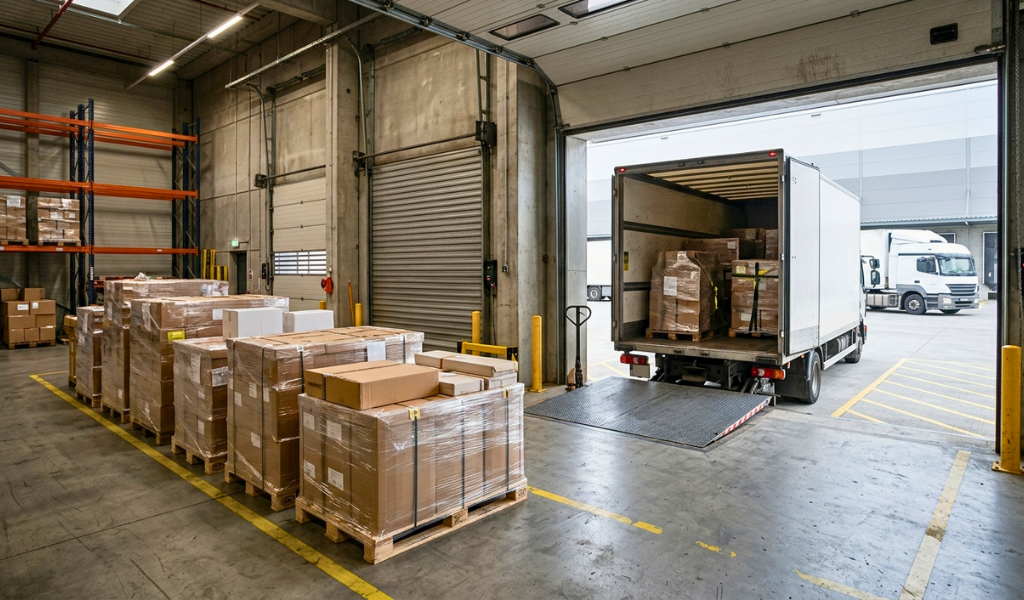
Warehouse transportation services link storage, inventory and delivery processes to efficiently move products from receiving docks to ultimate destinations. Transportation and warehousing are often combined, allowing businesses to reduce unnecessary handling, improve delivery schedules and hav-e better inventory control.
The right transportation strategy can be a game-changer for companies with large order volumes or complex distribution networks. Integrated warehouse logistics services will smooth out and respond to the supply chain from scheduled transfers to last-mile coordination.
Quick Summary
The process usually begins when goods arrive at a warehouse. Products received, inspected, stored, selected, packed and prepared for transport. Then a coordinated transportation system moves the goods to distribution centers, retailers, businesses, or consumers.
Modern warehouse transportation solutions can also utilise route planning, shipment tracking, scheduling systems, and inventory data to improve decision-making.
Warehouse Transport Services can help solve these problems by coordinating pickup and delivery schedules with receiving, picking, packing, and loading activities.
Effective warehouse distribution services can also help businesses:
If you run a company with several warehouses, you may need to move goods between them often. Locations can replenish based on demand with a coordinated transportation plan, not emergency shipments.
This is especially useful for businesses with seasonal demand, multiple distribution points or time-sensitive products.
Better Movement, Better Visibility
Integrating transportation data with warehouse data gives companies a clearer picture of where inventory is and when it’s coming. This helps you make better buying, replenishing and fulfilment decisions.
Companies can reduce costs by increasing vehicle utilisation, consolidating shipments, reducing congestion in storage, and minimising needless product handling. Improved scheduling can also cut driver waiting time and warehouse labour inefficiencies.
The exact savings will depend on shipment volume, routes, warehouse locations, and operational requirements, but better coordination can create measurable efficiencies.
Reliable warehouse delivery services can also lead to more consistent order fulfilment. Tracking shipments from the warehouse through to delivery helps businesses gain a better understanding of inventory movement and potentially respond to disruptions earlier.
Use Data to Make Better Decisions
Businesses should monitor metrics such as:
Also ask how the provider handles peak demand, urgent shipments, multiple warehouse locations, tracking and delivery exceptions.
Globex Logistics is an integrated logistics provider that allows companies to better control warehousing and transportation. A thoughtful approach can help support the day-to-day fulfilment as well as long-term supply chain growth.
Also Read: Top Supply Chain Management Solutions That Cut Costs and Boost Efficiency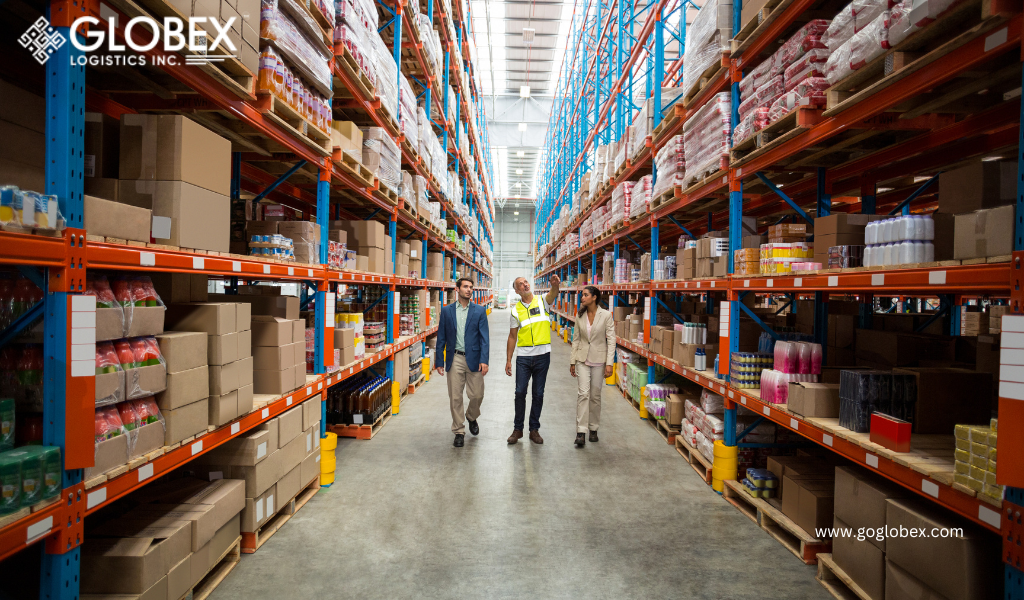
Companies seeking to increase reliability and scalability can take a practical step toward a more efficient operation by combining warehouse logistics services with reliable transportation. Globex Logistics can assist businesses in assessing their warehousing and transportation needs and creating solutions based on their supply chain needs.
The right transportation strategy can be a game-changer for companies with large order volumes or complex distribution networks. Integrated warehouse logistics services will smooth out and respond to the supply chain from scheduled transfers to last-mile coordination.
Quick Summary
- Warehouse transport services connect the operations of the warehouse with the inbound and outbound transportation.
- Better coordination can remove delays, unnecessary handling and delivery bottlenecks.
- Efficient transportation speeds the movement of stock and increases stock visibility.
- Integrated warehousing and transportation can help to keep labour, storage and freight costs in check.
- Technology and dependable logistics partners can help make warehouse operations more predictable and scalable.
What Are Warehouse Transport Services and How Do They Work?
Warehouse transport services are involved in the movement of goods into, within and out of warehouse facilities. This could include inbound goods, transfers between facilities, order dispatch and delivery coordination, depending on business needs.The process usually begins when goods arrive at a warehouse. Products received, inspected, stored, selected, packed and prepared for transport. Then a coordinated transportation system moves the goods to distribution centers, retailers, businesses, or consumers.
Modern warehouse transportation solutions can also utilise route planning, shipment tracking, scheduling systems, and inventory data to improve decision-making.
Why Does Integration Matters Solutions Can?
When warehouse teams and transportation providers operate in silos, communication gaps can result in missed pickups, idle inventory or rushed shipments. Integrated planning facilitates the alignment of transportation schedules with warehouse capacity.How Do Warehouse Transport Services Reduce Supply Chain Delays?
Transportation delays are frequent when transportation schedules are not aligned with warehouse workflows. For example, a truck arriving before an order is ready can create a waiting time, while a late pickup can result in completed shipments occupying valuable warehouse space.Warehouse Transport Services can help solve these problems by coordinating pickup and delivery schedules with receiving, picking, packing, and loading activities.
Effective warehouse distribution services can also help businesses:
- Plan and coordinate inbound and outbound shipments.
- Schedule pickups as warehouses become ready.
- Cut down on unnecessary loading and unloading.
- Improved route planning.
- Respond more quickly to demand shifts.
Can Warehouse Transportation Improve Inventory Flow?
Yes. Transportation efficiency is a way to move stock to the right place at the right time, reducing unnecessary stock movement and bottlenecks.If you run a company with several warehouses, you may need to move goods between them often. Locations can replenish based on demand with a coordinated transportation plan, not emergency shipments.
This is especially useful for businesses with seasonal demand, multiple distribution points or time-sensitive products.
Better Movement, Better Visibility
Integrating transportation data with warehouse data gives companies a clearer picture of where inventory is and when it’s coming. This helps you make better buying, replenishing and fulfilment decisions.
How Does Integrated Warehousing and Transportation Lower Costs?
Combining transportation and warehousing can eliminate inefficiencies between separate operations and reduce costs.Companies can reduce costs by increasing vehicle utilisation, consolidating shipments, reducing congestion in storage, and minimising needless product handling. Improved scheduling can also cut driver waiting time and warehouse labour inefficiencies.
| Supply Chain Area | Common Challenge | Transportation Improvement | Potential Benefit |
| Inbound freight | Unscheduled arrivals | Coordinated receiving | Less waiting and congestion |
| Inventory transfers | Emergency movements | Planned replenishment | Better inventory flow |
| Order fulfillment | Shipment bottlenecks | Pickup scheduling | Faster dispatch |
| Delivery | Inefficient routes | Route optimization | Lower transportation waste |
| Warehouse space | Completed orders waiting | Timely pickups | Better space utilization |
How Do Warehouse Transport Services Improve Inventory Management?
Warehouse transport services help companies control when and where their products are delivered, helping them manage their inventory. This reduces the possibility of having inventory sitting around in one location needlessly while another place is short of product.Reliable warehouse delivery services can also lead to more consistent order fulfilment. Tracking shipments from the warehouse through to delivery helps businesses gain a better understanding of inventory movement and potentially respond to disruptions earlier.
Use Data to Make Better Decisions
Businesses should monitor metrics such as:
- From order to delivery
- Inventory movement time
- On-time pickup and delivery percentages
- Costs of transportation/shipment
- Storage dwell time
- Accuracy of order fulfilment
How to Choose the Right Warehouse Transportation Partner?
The right provider should deliver more than just basic goods movement. Identify a logistics partner with warehouse experience, good communication, shipment visibility, scalable capacity, and flexible transportation options.Also ask how the provider handles peak demand, urgent shipments, multiple warehouse locations, tracking and delivery exceptions.
Globex Logistics is an integrated logistics provider that allows companies to better control warehousing and transportation. A thoughtful approach can help support the day-to-day fulfilment as well as long-term supply chain growth.
Also Read: Top Supply Chain Management Solutions That Cut Costs and Boost Efficiency
Conclusion
Businesses can consolidate their storage, inventory, transport, and delivery into a single operation with efficient warehouse transport services. They can improve total supply chain performance by reducing delays, improving inventory flow, enabling better warehouse utilisation, and reducing transportation waste.Companies seeking to increase reliability and scalability can take a practical step toward a more efficient operation by combining warehouse logistics services with reliable transportation. Globex Logistics can assist businesses in assessing their warehousing and transportation needs and creating solutions based on their supply chain needs.
FAQs on Warehouse Transport Services
1. What are warehouse transport services?
Warehouse transport services manage the movement of goods between warehouses, distribution points, suppliers, businesses, and customers while coordinating transportation with warehouse operations.2. How do warehouse transport services improve supply chain efficiency?
They improve efficiency by coordinating pickups and deliveries, reducing delays, improving inventory movement, optimizing transportation, and minimizing unnecessary handling.3. What is the difference between warehousing and transportation?
Warehousing focuses on receiving, storing, managing, picking, and preparing goods, while transportation moves those goods between locations. Integrating both creates a more coordinated supply chain.4. How can warehouse transportation reduce business costs?
It can reduce costs through better shipment planning, route optimization, improved vehicle utilization, fewer unnecessary movements, reduced waiting time, and more efficient warehouse space usage.Recent posts

categories


