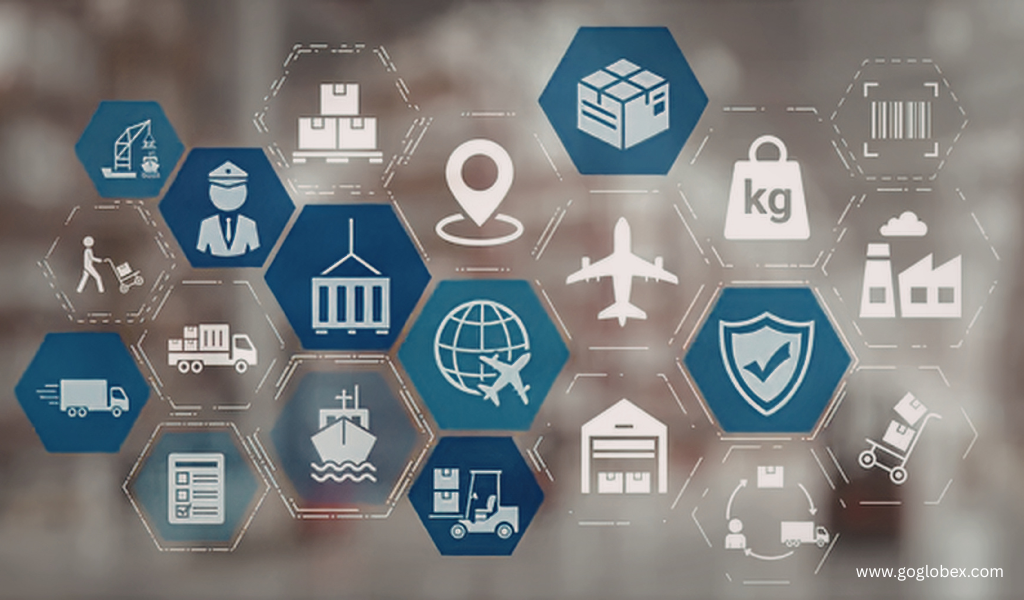
How Supply Chain Management Solutions Help Businesses Reduce Delays & Improve Delivery Efficiency?
In the fast-paced business world of today, disgruntled customers because of late deliveries or lack of inventory can destroy customer loyalty very quickly. Ultimately, businesses from numerous sectors are now investing in supply chain management solutions that offer operational visibility while also reducing delays and creating faster delivery systems. Monitoring the demand and movement of freight is an incredibly broad field, but regardless if you run a retail business, manufacturing company or logistics firm; a seamless supply chain is critical to growth rather than simply an option.
Modern businesses need smart systems that can manage inventory, track shipments in real time, and improve communication between suppliers, warehouses, and delivery teams. This is where companies like Globex Logistics Inc. are helping organizations build reliable and scalable logistics networks that improve customer satisfaction and long-term profitability.
A modern supply chain system usually includes:
Here are several proven ways businesses can improve efficiency:
Globex Logistics Inc. helps businesses implement customized systems that improve coordination between transportation, inventory, and fulfillment teams.
A reliable solution should include:
For logistics companies handling large shipment volumes, scalable Logistics Management Solutions are especially important for maintaining fast delivery performance during peak seasons.
Businesses partnering with experienced providers like Globex Logistics Inc. often gain access to scalable infrastructure and advanced supply chain optimisation services that reduce delivery interruptions significantly.
Companies using advanced end-to-end supply chain services powered by modern technology can respond faster to market changes and customer expectations.
Investing in supply chain management solutions helps businesses:
Also Read: Supply Chain Management Solutions That Help Businesses Scale Faster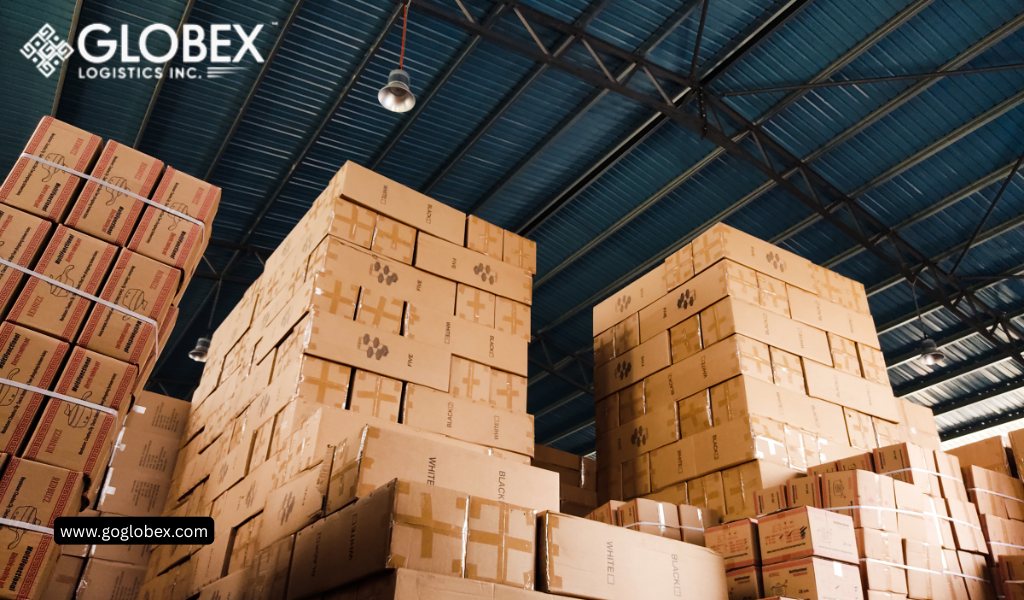
From sharing scalable logistics management solutions to providing fully integrated end-to-end supply chain services, teaming up with reputed service providers such as Globex Logistics Inc. can help your business streamline operations and boost its long-term performance.
Modern businesses need smart systems that can manage inventory, track shipments in real time, and improve communication between suppliers, warehouses, and delivery teams. This is where companies like Globex Logistics Inc. are helping organizations build reliable and scalable logistics networks that improve customer satisfaction and long-term profitability.
What Are Supply Chain Management Solutions?
Integrated systems and strategies to manage the entire flow of goods, services, information, and transport from suppliers to end customers. These solutions are aimed at assisting firms with efficiency in procurement, inventory, warehousing, transportation and delivery.A modern supply chain system usually includes:
- Inventory tracking
- Real-time shipment monitoring
- Demand forecasting
- Supplier coordination
- Warehouse automation
- Transportation planning
- Data analytics and reporting
How Can Businesses Improve Supply Chain Efficiency?
Improving supply chain efficiency starts with identifying delays and bottlenecks. Many companies still rely on outdated manual systems, which often lead to inventory mismatches and delayed shipments.Here are several proven ways businesses can improve efficiency:
1. Use Real-Time Tracking Systems
Real-time visibility allows businesses to monitor shipments, inventory levels, and warehouse activity instantly. This helps reduce communication gaps and prevents delays before they happen.2. Automate Warehouse Operations
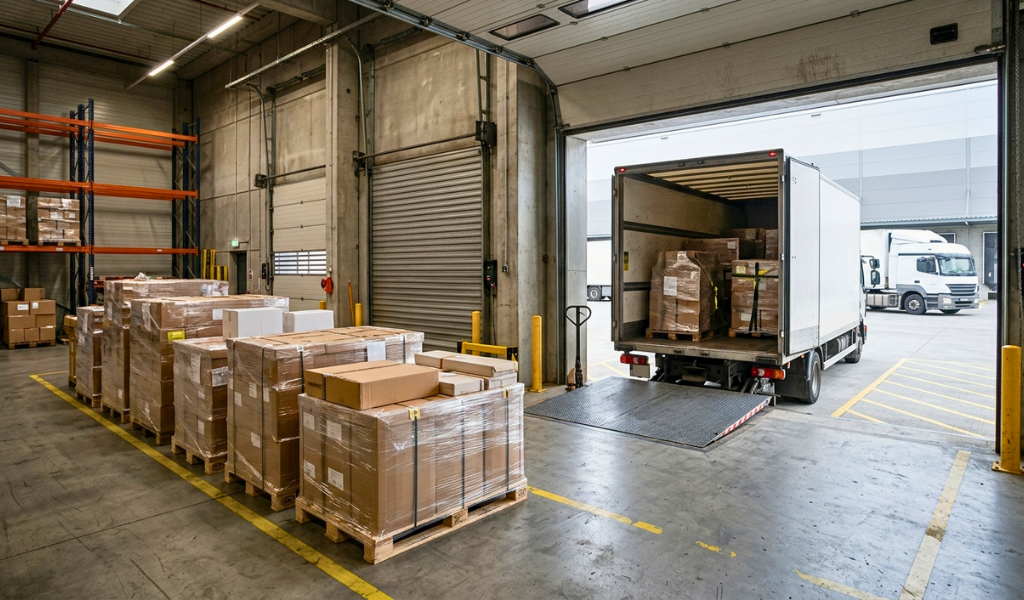
Efficient warehouse and distribution management improves order accuracy and speeds up fulfillment. Automated picking, barcode scanning, and inventory software reduce human error and improve productivity.3. Improve Supplier Communication
Strong supplier relationships ensure faster procurement and fewer disruptions. Businesses using centralized communication tools can quickly respond to shortages or unexpected changes.4. Optimize Transportation Routes
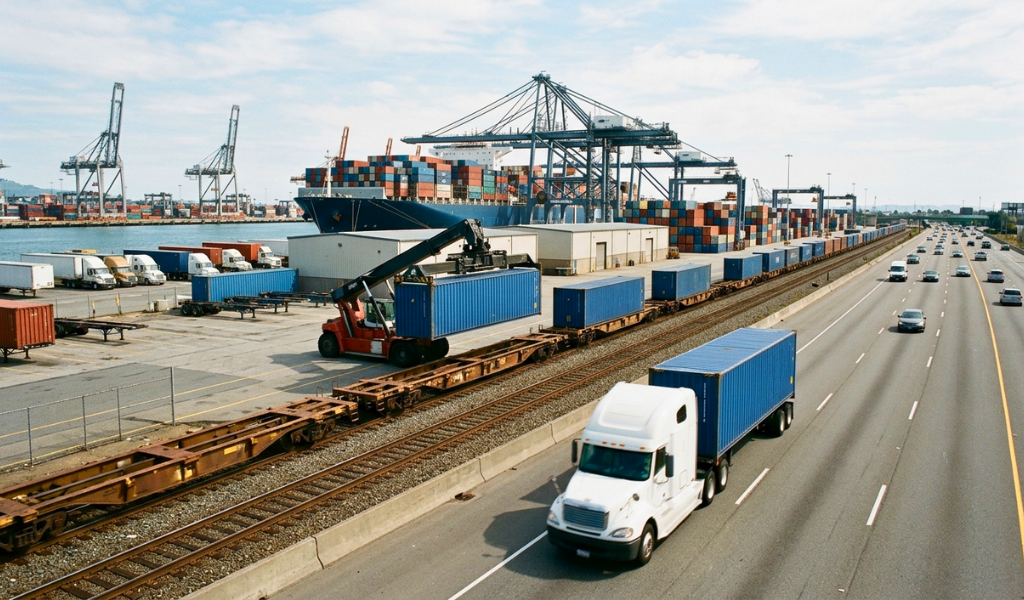
Advanced route planning software helps reduce fuel costs and delivery times. Many supply chain optimisation services use AI-powered analytics to recommend faster and more cost-effective transportation routes.5. Analyze Performance Data
Data-driven decision-making helps businesses identify patterns, predict demand, and improve operational planning. Analytics tools can highlight areas where delays commonly occur.Globex Logistics Inc. helps businesses implement customized systems that improve coordination between transportation, inventory, and fulfillment teams.
What is the Best Supply Chain Solution for Logistics Companies?
The best supply chain solution depends on a company’s size, goals, and industry requirements. However, most successful logistics companies focus on flexibility, automation, and scalability.A reliable solution should include:
- Transportation management systems (TMS)
- Inventory management software
- Automated warehouse tools
- Cloud-based reporting dashboards
- Integrated customer communication systems
For logistics companies handling large shipment volumes, scalable Logistics Management Solutions are especially important for maintaining fast delivery performance during peak seasons.
How Do Companies Reduce Supply Chain Delays?
Supply chain delays can happen due to inventory shortages, transportation disruptions, poor forecasting, or inefficient communication. Businesses can reduce these delays by taking a proactive approach.Common Strategies to Reduce Delays
Improve Inventory Forecasting
Accurate forecasting prevents stock shortages and overstocking. Predictive analytics tools help businesses plan inventory more effectively.Build Multiple Supplier Networks
Relying on a single supplier increases risk. Diversifying suppliers improves operational stability during disruptions.Use Smart Warehouse Systems
Efficient warehouse and distribution management ensures products move quickly through storage and fulfillment processes.Enhance Delivery Coordination
Integrated transportation systems help dispatch teams communicate with drivers and customers in real time.Implement Automation
Automation reduces manual processing time and improves overall operational speed.Businesses partnering with experienced providers like Globex Logistics Inc. often gain access to scalable infrastructure and advanced supply chain optimisation services that reduce delivery interruptions significantly.
What Technologies Improve Supply Chain Management?
Technology continues to transform supply chain operations across the world. Businesses that adopt modern tools can improve visibility, efficiency, and customer satisfaction.Key Technologies Improving Supply Chains
Artificial Intelligence (AI)
AI helps businesses predict demand, optimize delivery routes, and automate operational decisions.Internet of Things (IoT)
IoT devices provide real-time tracking for vehicles, inventory, and warehouse equipment.Cloud-Based Platforms
Cloud systems improve collaboration between suppliers, warehouses, and logistics teams.Automation and Robotics
Automated systems speed up packaging, sorting, and warehouse operations.Data Analytics
Analytics tools help businesses measure performance and identify improvement opportunities.Companies using advanced end-to-end supply chain services powered by modern technology can respond faster to market changes and customer expectations.
Why Are Businesses Investing in Supply Chain Solutions?
Today’s customers expect faster deliveries, accurate tracking, and reliable service. Businesses that fail to meet these expectations risk losing customers to competitors.Investing in supply chain management solutions helps businesses:
- Reduce operational costs
- Improve delivery speed
- Increase customer satisfaction
- Minimize inventory issues
- Improve scalability
- Enhance business continuity
Also Read: Supply Chain Management Solutions That Help Businesses Scale Faster
Conclusion
Logistics plays a vital role in business expansion due to its core functions of moving goods from supplier to customer, making the logistics process very important in competitive markets today. With end-to-end modern supply chain management solutions, companies can reduce delays, streamline delivery capabilities and generate better customer experiences. Businesses that leverage their supply chains, from smarter inventory systems to sophisticated warehouse and distribution management, find themselves with a significant operational edge.From sharing scalable logistics management solutions to providing fully integrated end-to-end supply chain services, teaming up with reputed service providers such as Globex Logistics Inc. can help your business streamline operations and boost its long-term performance.
FAQs On Supply Chain Management Solutions
1. What are supply chain management solutions?
Supply chain management solutions are systems and strategies used to manage sourcing, inventory, warehousing, transportation, and product delivery efficiently.2. How do supply chain optimisation services improve business operations?
These services help businesses reduce costs, improve delivery speed, optimize inventory, and increase operational efficiency through automation and data analysis.3. Why is warehouse and distribution management important?
Efficient warehouse and distribution management improves order accuracy, reduces delays, and speeds up product fulfillment.4. What industries benefit from logistics management solutions?
Retail, manufacturing, healthcare, eCommerce, automotive, and logistics industries commonly use logistics management solutions to improve operational efficiency.Recent posts



categories


