Ocean Freight Consolidation: How It Reduces Shipping Costs for Global Businesses?
International commerce is booming — along with the transport costs. A full container is simply unaffordable for many businesses, particularly small and medium-sized exporters. This is when heading for Ocean Freight Consolidation becomes the economic and smart option.
Consolidated cargo shipping will allow companies to gain space on a container alongside other shipments rather than having to book a full container. This process decreases expenses while increasing the efficiency of logistics and staying reliable. If you're aiming for global expansion on a budget, registering for this shipping type can put you ahead of the curve.
Full container load is a frequently used method in international sea freight solutions, particularly when companies do not possess enough cargo to load a complete container. This means that businesses are charged for whatever space they use, as opposed to paying for the whole container.
This renders ocean freight consolidation services an ideal solution for businesses that need to meet their regular shipping needs whilst requiring smaller loads at a much-discounted rate.
Here’s how it works in simple terms:
With FCL, you pay for the entire container regardless of how much space you use. With Ocean Freight Consolidation, costs are shared among multiple shippers. This means:
For example, companies partnering with logistics providers like Globex often benefit from tailored solutions that match their shipping volume and budget, making global trade more accessible.
Typically, it includes:
Safety measures include:
Also Read: How Reliable Sea Freight Services Keep Global Trade Moving Smoothly?
Small businesses breaking into new markets, and established brands with optimized logistics solutions, can continue to save money and improve bottom lines with LCL shipping services and consolidated cargo shipping.
Such a pace of development requires businesses to access smarter international sea freight solutions supportive of their long-term growth and success while shedding away excess costs, and can only be done with the help of trusted providers like Globex.
Consolidated cargo shipping will allow companies to gain space on a container alongside other shipments rather than having to book a full container. This process decreases expenses while increasing the efficiency of logistics and staying reliable. If you're aiming for global expansion on a budget, registering for this shipping type can put you ahead of the curve.
What is Ocean Freight Consolidation?
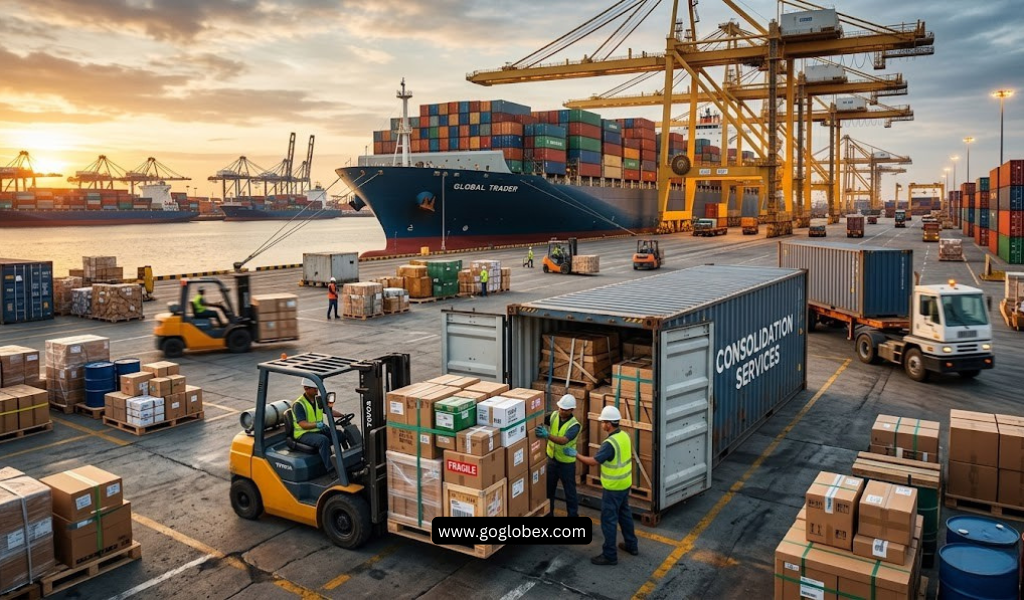
Ocean Freight Consolidation is a type of shipping method whereby several smaller shipments from various businesses are packed into one container. It is then shipped to the destination port in a shared container, which is later unshipped for the final trip.Full container load is a frequently used method in international sea freight solutions, particularly when companies do not possess enough cargo to load a complete container. This means that businesses are charged for whatever space they use, as opposed to paying for the whole container.
This renders ocean freight consolidation services an ideal solution for businesses that need to meet their regular shipping needs whilst requiring smaller loads at a much-discounted rate.
What is LCL Shipping and How Does It Work?
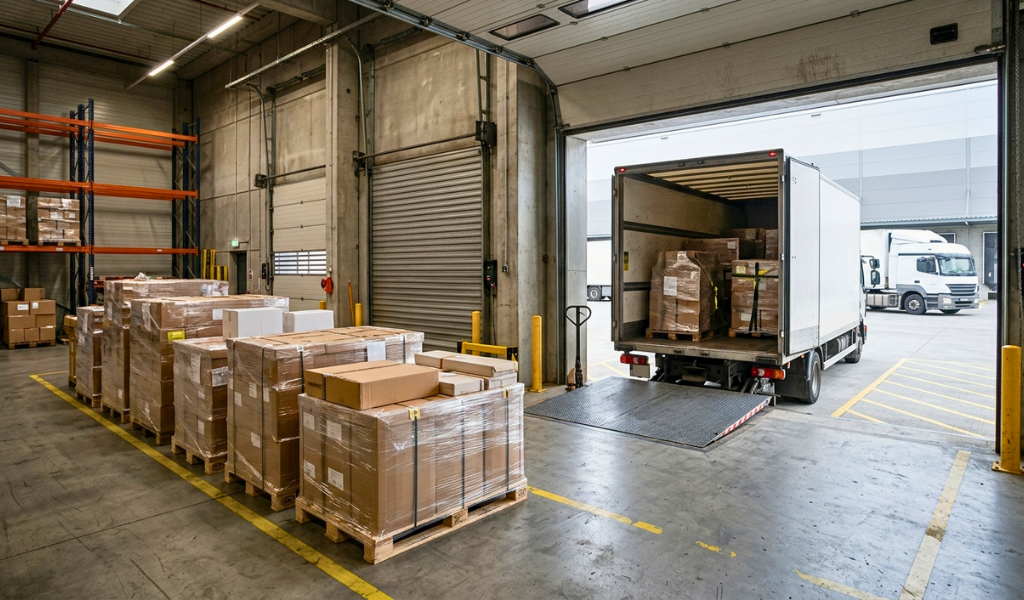
LCL shipping services are the fundamental services of consolidation freight, i.e, consolidated; in other words, it is commonly known as Less than container load shipping.Here’s how it works in simple terms:
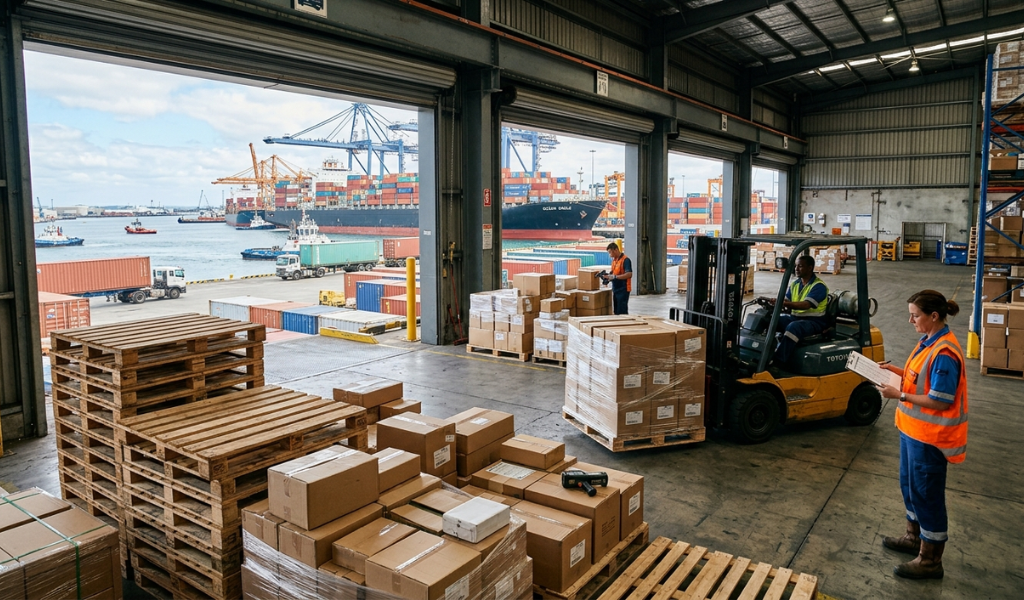
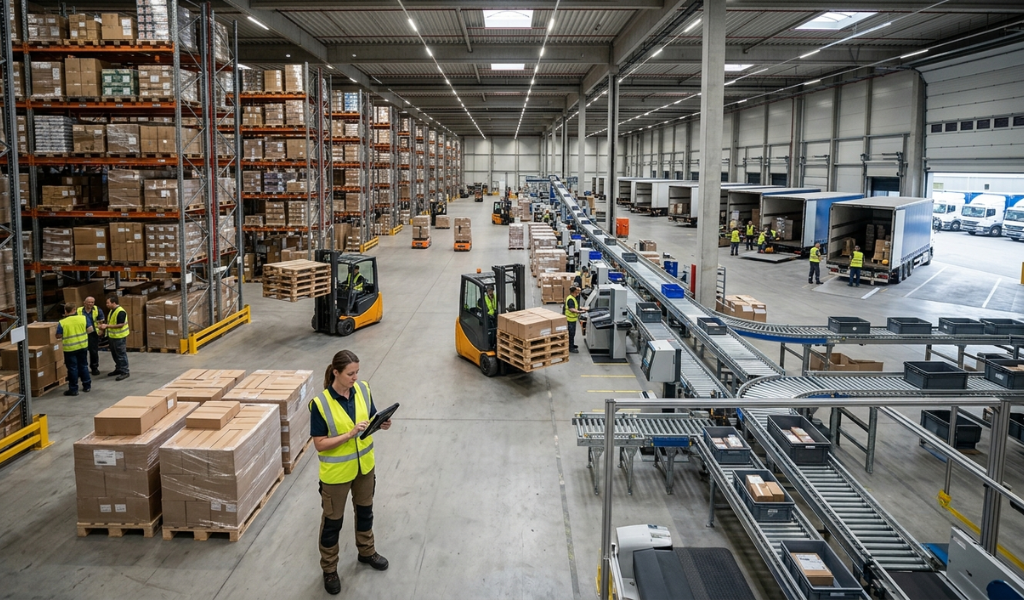
- Your cargo is picked up and transported to a consolidation warehouse
- It is grouped with other shipments heading to the same destination
- The combined shipment is loaded into a single container
- Once it reaches the destination, the cargo is separated and delivered
Is Consolidated Shipping Cheaper Than FCL?
Yes, in most cases, consolidated cargo shipping is significantly cheaper than Full Container Load (FCL), especially for smaller shipments.With FCL, you pay for the entire container regardless of how much space you use. With Ocean Freight Consolidation, costs are shared among multiple shippers. This means:
- Lower upfront shipping costs
- Better cash flow management
- Reduced warehousing needs
When Should I Use Ocean Freight Consolidation?
You should consider Ocean Freight Consolidation when:- Your shipment doesn’t fill a full container
- You want to reduce shipping costs
- You ship regularly, but in smaller quantities
- You need flexible scheduling options
For example, companies partnering with logistics providers like Globex often benefit from tailored solutions that match their shipping volume and budget, making global trade more accessible.
What Are the Benefits of Consolidated Cargo Shipping?
Choosing consolidated cargo shipping offers several advantages:1. Cost Efficiency
You only pay for the space you use, making it ideal for SMEs and startups.2. Global Reach
Access reliable international sea freight solutions without large-scale commitments.3. Flexibility
Frequent departures mean you don’t have to wait to fill a container.4. Reduced Risk of Empty Space
Maximized container utilization reduces waste and improves efficiency.5. Scalable Logistics
As your business grows, you can easily shift from less than container load shipping to full container options.How Long Does LCL Shipping Take?
LCL shipping services take a bit longer than FCL because of the process involving consolidation and deconsolidation.Typically, it includes:
- Extra handling time at the origin
- Sorting and consolidation
- Deconsolidation at destination
Is Ocean Freight Consolidation Safe for Goods?
Yes, as long as it is handled by experienced logistics providers, the Ocean Freight Consolidation is generally safe.Safety measures include:
- Proper packaging and labeling
- Secure container loading
- Cargo tracking systems
- Compliance with international shipping standards
Also Read: How Reliable Sea Freight Services Keep Global Trade Moving Smoothly?
Conclusion
Quality of product is important, no doubt, but in the era of the competitive world, logistics cost management is equally important. Ocean Freight Consolidation is a very cost-effective, scalable, and sensible solution for shipping goods abroad.Small businesses breaking into new markets, and established brands with optimized logistics solutions, can continue to save money and improve bottom lines with LCL shipping services and consolidated cargo shipping.
Such a pace of development requires businesses to access smarter international sea freight solutions supportive of their long-term growth and success while shedding away excess costs, and can only be done with the help of trusted providers like Globex.
FAQs on Ocean Freight Consolidation
1. What is ocean freight consolidation?
It is a method of combining multiple shipments into one container to reduce shipping costs and improve efficiency.2. What is LCL shipping, and how does it work?
LCL or less than container load shipping allows businesses to share container space, paying only for the portion they use.3. When should I use ocean freight consolidation?
Use it when your shipment is too small for a full container, and you want to reduce costs while maintaining reliable delivery.4. Is consolidated shipping cheaper than FCL?
Yes, for smaller shipments, consolidated cargo shipping is usually more cost-effective than booking a full container.Recent posts

categories


