
Why Integrated Warehousing Solutions Matter for Growing Businesses?
Inventory management, storage, and order fulfillment become more complex as businesses grow. Separately handling these operations can lead to delays, higher operating costs, and inventory errors. This is where integrated warehousing solutions fit in.
Combining storage, inventory management, order processing, and distribution activities can create a more connected and efficient supply chain. These solutions help companies manage growing order volumes, see stock more clearly, and get products to customers on time.
Whether you are looking to expand into new markets or manage seasonal demand, an integrated warehousing approach provides the flexibility you need for long-term success.
Quick Summary
Here are some important advantages.
1. Better Inventory Visibility
Businesses can better monitor their stock levels when inventory information is managed by a connected system. This helps to identify items that are low in stock, avoid overstocking, and make replenishment decisions at the right time.
Good warehouse inventory management solutions also make it simple to keep tabs on products coming in and out.
2. Faster Order Processing
Warehouse teams can coordinate inventory, picking, packing, and shipping to process orders with fewer interruptions.
It can help businesses reduce unnecessary handling, improve order accuracy, and maintain consistent fulfillment timelines.
3. Lower Operating Costs
Disconnected warehouse processes can lead to higher labor, storage, and transportation costs.
Integrated Warehouse Management identifies inefficiencies and optimizes resource allocation. Better stock organization can also help reduce unnecessary product movement and storage waste.
4. Improved Supply Chain Coordination
Warehousing is closely connected to transportation, distribution, and inventory planning.
Integrated supply chain warehousing services help businesses coordinate these activities more effectively, allowing products to move smoothly between suppliers, warehouses, and customers.
5. Greater Flexibility During Business Growth
As order volumes increase, businesses need warehousing capacity that can adapt to changing requirements.
Scalable warehouse operations help companies manage seasonal demand, new product launches, and expansion into additional markets without completely restructuring their logistics processes.
Centralized Inventory Tracking
A centralized inventory system provides a clearer picture of available stock across warehouse locations. It helps businesses make informed purchasing and replenishment decisions.
Organized Storage and Product Handling
Proper warehouse layouts, product categorization, and storage practices help teams locate products quickly and reduce handling errors.
Technology-Driven Operations
Warehouse management software can support inventory tracking, order processing, reporting, and operational planning. Automation, where appropriate, can further improve accuracy and productivity.
Coordinated Distribution
Connecting warehouse operations with transportation planning helps businesses manage dispatch schedules and improve delivery coordination.
Consider these important factors:
1. Storage Capacity and Flexibility
Choose a provider that can accommodate current inventory requirements while offering flexibility for future growth.
2. Inventory Management Capabilities
Ask how the provider tracks inventory, manages stock movement, and handles inventory discrepancies. Reliable tracking processes are essential for maintaining accurate records.
3. Distribution and Transportation Support
Look for a partner that can coordinate storage, order fulfillment, and transportation. Comprehensive warehouse storage and distribution services can simplify logistics management.
4. Technology and Reporting
A capable provider should use suitable systems to monitor warehouse activities, provide inventory visibility, and generate operational reports.
5. Industry Experience and Reliability
Evaluate the provider's experience, handling procedures, communication practices, and ability to meet agreed service expectations.
Businesses should also review service agreements, security measures, and contingency plans before committing.
The right approach depends on business size, order volume, product type, and logistics requirements. However, integration can provide stronger coordination as operations become more complex.
Integrated warehousing allows for consistent processes and better coordination between warehouse activities, which helps businesses to prepare for these changes.
For companies looking to simplify logistics, working with an experienced provider such as Globex Logistics can help establish more organized storage and distribution operations.
Rather than treating warehousing as an isolated activity, businesses can make it an important part of their overall supply chain strategy.
Also Read: Integrated Warehousing Solutions: The Key to Faster Order Fulfilment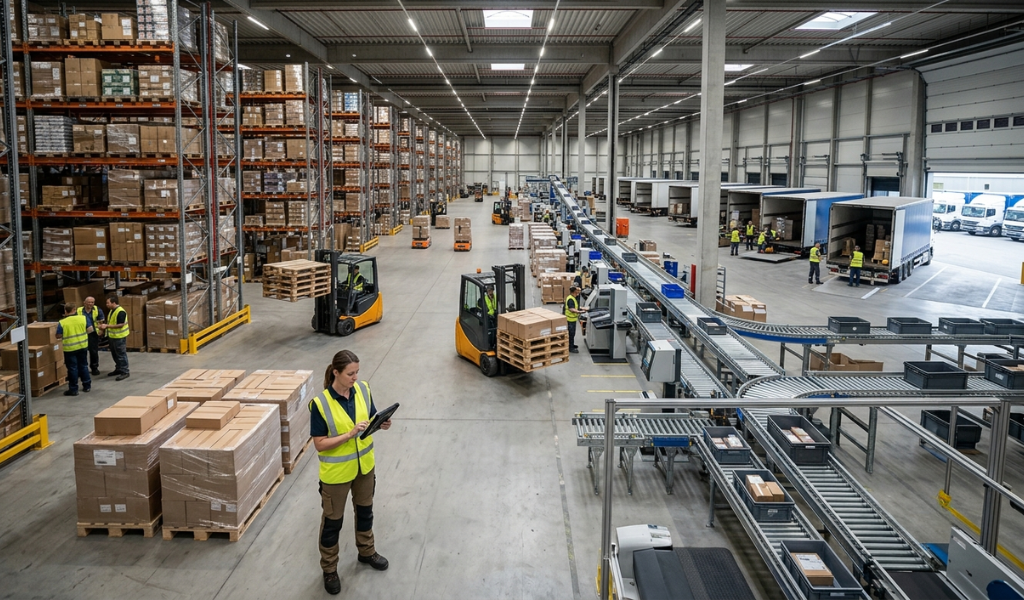
Choosing the right warehousing partner is equally important. Businesses should consider storage flexibility, inventory management capabilities, technology, distribution support, and operational reliability.
With the right warehousing strategy, companies can meet rising demand, improve client service, and lay a stronger foundation for long-term growth. If your company is investigating its logistics operations, you might want to consider integrated warehousing and distribution support.
Combining storage, inventory management, order processing, and distribution activities can create a more connected and efficient supply chain. These solutions help companies manage growing order volumes, see stock more clearly, and get products to customers on time.
Whether you are looking to expand into new markets or manage seasonal demand, an integrated warehousing approach provides the flexibility you need for long-term success.
Quick Summary
- Integrated warehousing connects storage, inventory management, and distribution operations.
- Real-time inventory visibility helps reduce stock discrepancies and fulfillment delays.
- Centralized warehouse operations improve order accuracy and supply chain coordination.
- Scalable warehousing services support businesses as their storage and distribution needs increase.
- Choosing an experienced logistics partner can improve operational efficiency and customer satisfaction.
How Can Integrated Warehousing Improve Supply Chain Efficiency?
Efficient warehousing is a key component in keeping products moving through the supply chain. In businesses, integrated systems facilitate coordinated warehouse activities, reduced delays, and responsiveness to changing customer demands.Here are some important advantages.
1. Better Inventory Visibility
Businesses can better monitor their stock levels when inventory information is managed by a connected system. This helps to identify items that are low in stock, avoid overstocking, and make replenishment decisions at the right time.
Good warehouse inventory management solutions also make it simple to keep tabs on products coming in and out.
2. Faster Order Processing
Warehouse teams can coordinate inventory, picking, packing, and shipping to process orders with fewer interruptions.
It can help businesses reduce unnecessary handling, improve order accuracy, and maintain consistent fulfillment timelines.
3. Lower Operating Costs
Disconnected warehouse processes can lead to higher labor, storage, and transportation costs.
Integrated Warehouse Management identifies inefficiencies and optimizes resource allocation. Better stock organization can also help reduce unnecessary product movement and storage waste.
4. Improved Supply Chain Coordination
Warehousing is closely connected to transportation, distribution, and inventory planning.
Integrated supply chain warehousing services help businesses coordinate these activities more effectively, allowing products to move smoothly between suppliers, warehouses, and customers.
5. Greater Flexibility During Business Growth
As order volumes increase, businesses need warehousing capacity that can adapt to changing requirements.
Scalable warehouse operations help companies manage seasonal demand, new product launches, and expansion into additional markets without completely restructuring their logistics processes.
Key Features of Effective Integrated Warehouse Management
Successful integration involves more than combining storage and shipping activities. Businesses should focus on systems and processes that support consistent warehouse performance.Centralized Inventory Tracking
A centralized inventory system provides a clearer picture of available stock across warehouse locations. It helps businesses make informed purchasing and replenishment decisions.
Organized Storage and Product Handling
Proper warehouse layouts, product categorization, and storage practices help teams locate products quickly and reduce handling errors.
Technology-Driven Operations
Warehouse management software can support inventory tracking, order processing, reporting, and operational planning. Automation, where appropriate, can further improve accuracy and productivity.
Coordinated Distribution
Connecting warehouse operations with transportation planning helps businesses manage dispatch schedules and improve delivery coordination.
What Should Businesses Look for When Choosing a Warehousing Partner?
Choosing the right logistics partner is essential for maintaining efficient warehouse operations. Businesses should evaluate more than storage capacity before making a decision.Consider these important factors:
1. Storage Capacity and Flexibility
Choose a provider that can accommodate current inventory requirements while offering flexibility for future growth.
2. Inventory Management Capabilities
Ask how the provider tracks inventory, manages stock movement, and handles inventory discrepancies. Reliable tracking processes are essential for maintaining accurate records.
3. Distribution and Transportation Support
Look for a partner that can coordinate storage, order fulfillment, and transportation. Comprehensive warehouse storage and distribution services can simplify logistics management.
4. Technology and Reporting
A capable provider should use suitable systems to monitor warehouse activities, provide inventory visibility, and generate operational reports.
5. Industry Experience and Reliability
Evaluate the provider's experience, handling procedures, communication practices, and ability to meet agreed service expectations.
Businesses should also review service agreements, security measures, and contingency plans before committing.
Integrated Warehousing vs. Traditional Warehousing: A Practical Comparison
The following table highlights how an integrated approach can differ from traditional, separately managed warehouse operations.| Operational Area | Traditional Warehousing | Integrated Warehousing |
| Inventory tracking | May involve separate records and processes | Connected inventory visibility |
| Order processing | Multiple manual coordination steps | More coordinated workflows |
| Stock management | Greater risk of information gaps | Improved stock monitoring |
| Distribution | Separate transportation coordination | Better-connected dispatch planning |
| Business scalability | May require additional process changes | More adaptable operations |
| Reporting | Information may be spread across systems | More centralized operational reporting |
Why Growing Businesses Should Invest in Integrated Warehousing?
Growth creates new operational demands. A business that once managed a small inventory may eventually need to handle multiple product categories, larger shipments, and wider distribution networks.Integrated warehousing allows for consistent processes and better coordination between warehouse activities, which helps businesses to prepare for these changes.
For companies looking to simplify logistics, working with an experienced provider such as Globex Logistics can help establish more organized storage and distribution operations.
Rather than treating warehousing as an isolated activity, businesses can make it an important part of their overall supply chain strategy.
Also Read: Integrated Warehousing Solutions: The Key to Faster Order Fulfilment
Conclusion
Growing businesses can better connect operations to manage inventory, storage, order fulfillment, and distribution through integrated warehousing solutions. Integration can help make supply chain activities more efficient and manageable, from better visibility of stock to fewer processing delays.Choosing the right warehousing partner is equally important. Businesses should consider storage flexibility, inventory management capabilities, technology, distribution support, and operational reliability.
With the right warehousing strategy, companies can meet rising demand, improve client service, and lay a stronger foundation for long-term growth. If your company is investigating its logistics operations, you might want to consider integrated warehousing and distribution support.
FAQs on Integrated Warehousing Solutions
1. What are integrated warehousing solutions?
Integrated warehousing solutions connect storage, inventory tracking, order processing, and distribution activities within a coordinated operational system. They help businesses improve inventory visibility, streamline workflows, and manage logistics more effectively.2. How does integrated warehouse management reduce operating costs?
Integrated warehouse management helps reduce unnecessary product handling, inventory errors, storage inefficiencies, and order processing delays. Better coordination also allows businesses to use warehouse resources more effectively.3. Are integrated warehousing solutions suitable for small businesses?
Yes. Small businesses can benefit from improved inventory control, organized storage, and more efficient order fulfillment. Scalable services also allow them to increase warehouse capacity as their operations expand.4. What services are included in warehouse storage and distribution?
These services typically include receiving, storing, tracking, picking, packing, dispatching, and coordinating product transportation. Depending on the provider, they may also include inventory reporting and returns management.Recent posts




categories


