Why Is Intermodal Freight Transport the Smart Choice for Modern Supply Chains?
The ability to respond to rapid global changes is also the greatest challenge businesses face today: the need for speed and cost-effectiveness at the same time and what is especially demanded now: serving customers with increasingly sustainable solutions, which is enabled by utilizing a much larger scope of integrated supply chains. This is where intermodal transportation services, especially, stepped in to provide the most reliable and future-oriented solution. Using multiple means of transportation like rail, road, and sometimes sea, companies can save money and limit their ecological footprint while also improving operational consistency.
Intermodal freight offers the opportunity to move goods more intelligently between regions if the goal of efficiency is not compromised.
This procedure eliminates the need for excess handling and minimizes the chances of damage while also taking care of the safety during travel.
For example, rail is more suited for the bulk movement of goods; however, they rely on trucks to make sure goods remain on schedule during the last part of order deliveries. It helps to minimize delays, delivers faster transit times, and adds utility to the supply chain overall.
When companies utilize intermodal freight transportation, the management of their inventory has improved drastically while also freeing up less disruption when there are spikes in demand.
If these circumstances already suit the needs of your business, then making the transition to intermodal logistics services is a strategic option.
Better visibility improves supply chain efficiency: Companies take the steps to avoid delays, plan the route optimally, and deliver the products on time. In this competitive market, transparency is paramount.
Smart organizations such as Globex begin with tailored logistics strategies. They help businesses enhance productivity while keeping the costs in check by providing tailored intermodal transportation services.
Picking the right partner is not merely the act of moving goods—it is shaping a resilient and future-ready supply chain.
Also Read: Why Intermodal Freight Transport is the Future of Efficient Shipping?
Scaling operations or optimizing existing logistics and investment in intermodal freight transportation is the way to smarter supply chain management and a step in the right direction. Partnering with the right partner, such as Goglobex, you can continue to enjoy higher reliability and growth in all businesses.
Intermodal freight offers the opportunity to move goods more intelligently between regions if the goal of efficiency is not compromised.
What Is Intermodal Freight Transport?
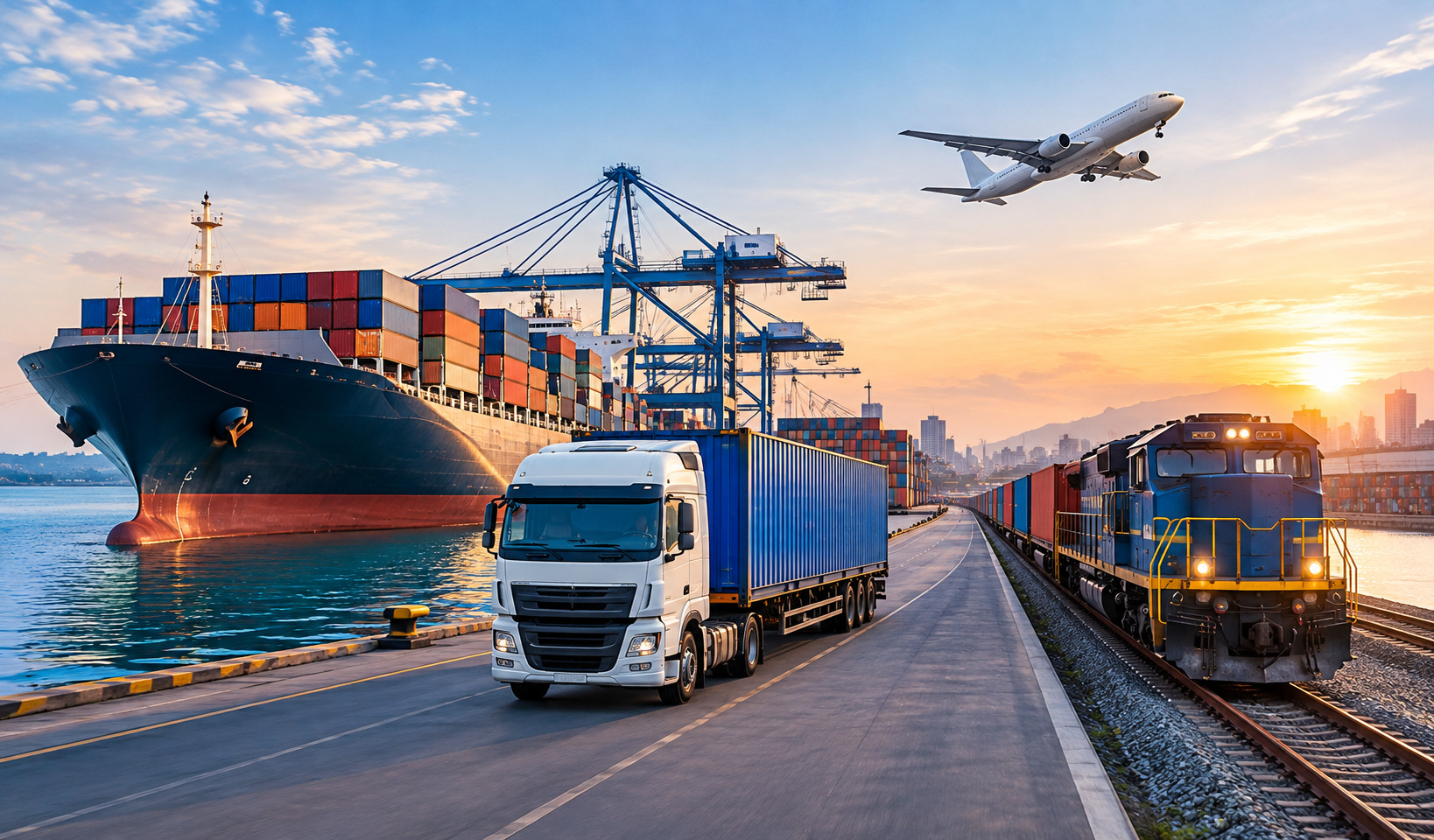
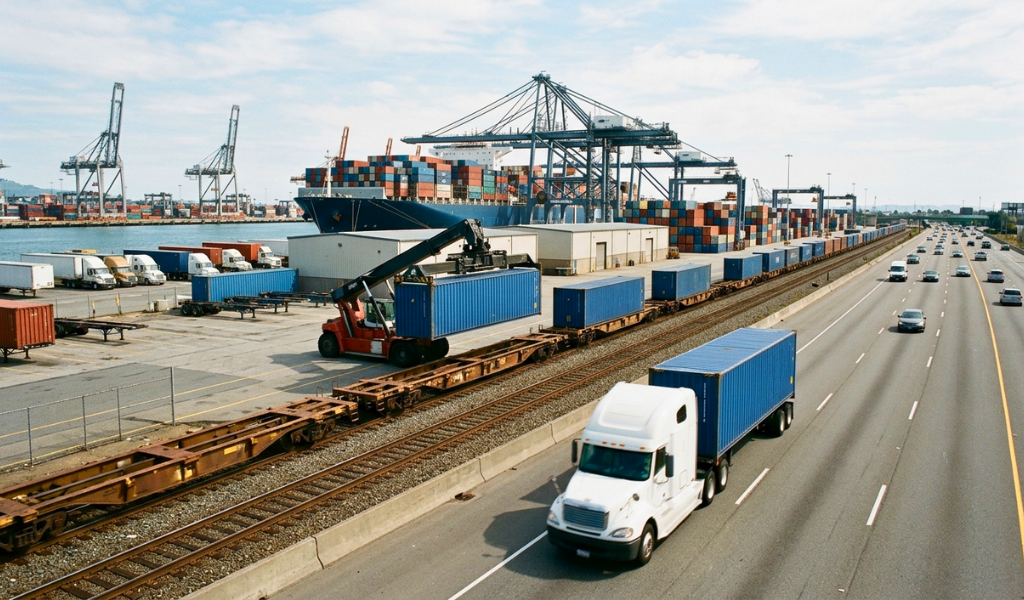
Fundamentally, intermodal freight is the transportation of cargo in an intermodal container or vehicle using more than one form of transport, without any handling of the cargo itself when changing transport modes. A shipment could travel via rail for long hauls before transitioning to a truck for the last mile.This procedure eliminates the need for excess handling and minimizes the chances of damage while also taking care of the safety during travel.
Why Are Businesses Opting For Intermodal Transportation Services?
Cost Efficiency Without Compromise
The most important benefit of Intermodal Logistics Services is cost savings. Rail is usually more cost-effective for long distances than road. Enabling businesses to combine rail and road for their transportation, rail freight can not only shrink the carbon footprint of imports but can further enable organizations to reap huge savings on fuel costs and overall shipping expenditure.Improved Reliability and Flexibility
Modern supply chains demand flexibility. Intermodal shipping using rail and truck enables businesses to adapt rapidly to fluctuating demands for delivery. The long-distance efficiency of rail, complemented by the last-mile connectivity of trucks, forms a balanced, reliable network.Enhanced Cargo Safety
As goods never leave the same container from pickup to the final destination, the opportunity for damage or theft is low. As a result, intermodal freight solutions provide exceptional value for shipments that are either high in value or delicate.Environmentally Friendly Shipping
Sustainability is no longer optional. Compared to road freight, rail transport is far less polluting. Multimodal freight transport services can help companies reduce their carbon footprint without compromising efficiency in operations.Why Does Intermodal Logistics Bolster Supply Chain Strength?
Supply chains today are sophisticated, often crossing regional and even national boundaries. Single-mode transport functions as a choke point, having inefficiencies. This is where intermodal transportation services come into the picture and address the issue by combining the advantages of mobility options.For example, rail is more suited for the bulk movement of goods; however, they rely on trucks to make sure goods remain on schedule during the last part of order deliveries. It helps to minimize delays, delivers faster transit times, and adds utility to the supply chain overall.
When companies utilize intermodal freight transportation, the management of their inventory has improved drastically while also freeing up less disruption when there are spikes in demand.
When is it better to use intermodal freight?
Intermodal shipping isn't simply for huge corporations. When scaling your business, however big or small, the following list makes it a very pragmatic option.- Shipping goods over long distances
- Looking to reduce transportation costs
- Managing high-volume or bulk shipments
- Aiming to improve sustainability practices
If these circumstances already suit the needs of your business, then making the transition to intermodal logistics services is a strategic option.
Technology in Intermodal Transport
Advances in technology have once again paved the way for more efficient intermodal freight solutions. Businesses will track shipments using real-time tracking, digitally document the transactions as they happen, and use predictive analytics in order to make informed decisions.Better visibility improves supply chain efficiency: Companies take the steps to avoid delays, plan the route optimally, and deliver the products on time. In this competitive market, transparency is paramount.
What is the need for choosing the right logistics partner?
Multimodal freight transport services can only be successful with a solid logistics provider by your side. A trusted partner will facilitate intermodal transport coordination, documentation, and disruptions.Smart organizations such as Globex begin with tailored logistics strategies. They help businesses enhance productivity while keeping the costs in check by providing tailored intermodal transportation services.
Picking the right partner is not merely the act of moving goods—it is shaping a resilient and future-ready supply chain.
Also Read: Why Intermodal Freight Transport is the Future of Efficient Shipping?
Conclusion
As we step into a new reality where speed, cost, and sustainability will dictate success, the intelligent and balanced solution to freight movement lies in intermodal transportation services. By merging the respective strengths of rail and road, businesses can be a lot more cost-effective, lower risks, and stay ahead of the curve in a dynamic market landscape.Scaling operations or optimizing existing logistics and investment in intermodal freight transportation is the way to smarter supply chain management and a step in the right direction. Partnering with the right partner, such as Goglobex, you can continue to enjoy higher reliability and growth in all businesses.
FAQs on Intermodal Transportation Service
1. What are intermodal transportation services?
Intermodal transportation services involve moving goods using multiple modes of transport, such as rail and trucks, without unloading the cargo during transit.2. Is intermodal freight transportation cost-effective?
Yes, it is often more economical for long distances as rail transport reduces fuel and operational costs.3. How does rail and truck intermodal shipping work?
Goods are transported via rail for long distances and then transferred to trucks for final delivery, ensuring efficiency and flexibility.4. Are intermodal logistics services suitable for small businesses?
Absolutely. Businesses of all sizes can benefit from reduced costs, improved reliability, and scalable logistics solutions.Recent posts

categories


